shared water systems

A Basic Guide to Shared Water Use

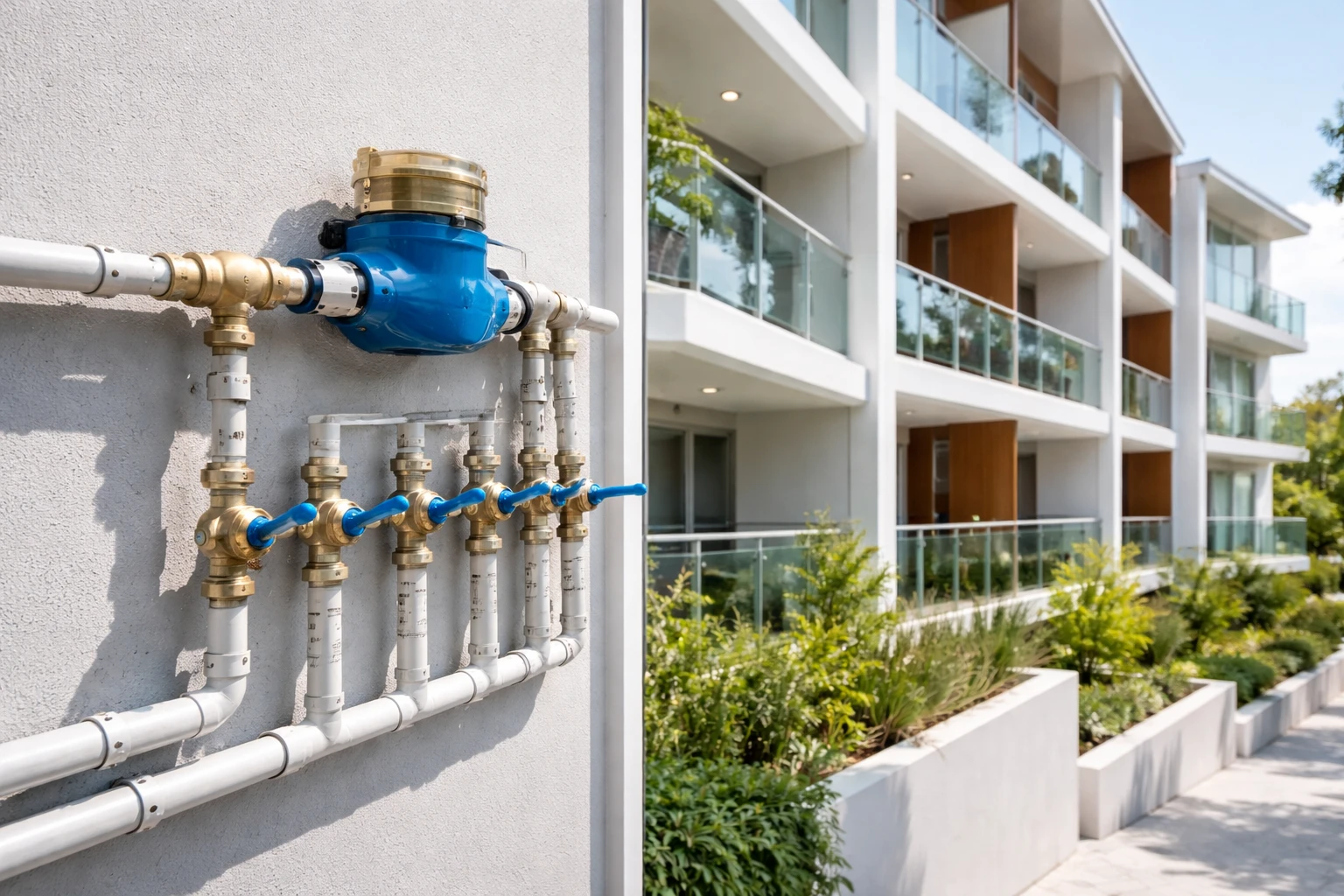
Shared water is a system where multiple homes or units in a property connect to one main meter instead of having separate meters for each residence. Think of it like apartments, townhouses, and complexes across Australia where one water meter tracks everyone’s usage. You’ve probably seen this setup in most rental properties or body corporate buildings.

Here’s the thing: without understanding how shared water works, you’d need to figure out billing splits, meter readings, and cost divisions on your own. That sounds like a recipe for disputes, right?

In this guide, we’ll explain how shared water billing actually works and why your property needs a fair system. You’ll also learn how to split costs based on usage, agreements, and property management options.

Let’s start with the basics.

What Is Shared Water and How Does It Work?

Shared water is a communal setup where one meter handles water tracking for multiple units in an apartment or property. It works by measuring total consumption, then dividing that bill among residents based on an agreed method.

Now follow the foundational setup to get a clearer picture of the system.

The Basics of Shared Water Supply

The Basics of Shared Water Supply

You might be wondering how the shared water meter concept plays out in real life. Well, in apartment buildings, duplexes, and townhouse complexes, one meter tracks total water use for all residents.

From there, the property owner or body corporate manages the system and decides how to split costs among tenants. In practice, some divide bills equally, while others base it on residence size or number of people.

Who Manages Your Water Use?

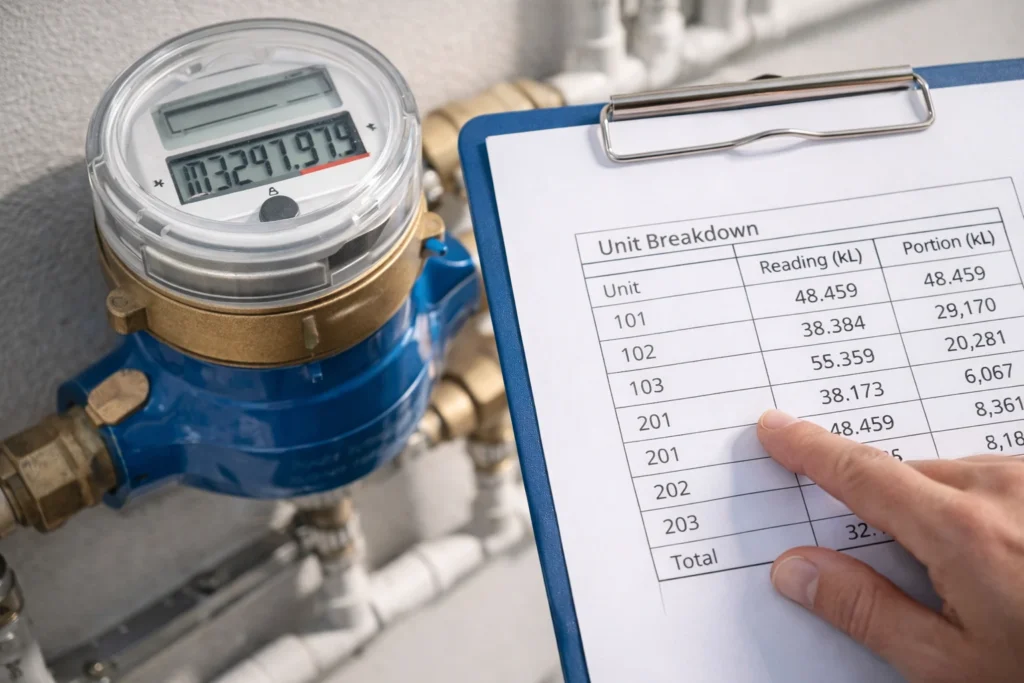
Property managers, body corporates, or landlords oversee shared water systems and handle billing with water suppliers. When it comes to tracking usage, some properties go a step further. They install sub-meters for individual units to measure water use more accurately. These individually metered systems give owners better data about who’s using what.

However, other properties divide costs equally, which works when usage is similar. So, you should check your tenancy agreement to understand your property’s management structure. Also, regulations vary across Australian states. For specific rules, contact your local council, state water authority, or consumer protection agency.

Understanding Service Charges and Water Bills

Water bills for shared systems can feel confusing at first, especially when you can’t see your individual usage. They include usage charges based on how much water is consumed, and a fixed service charge for infrastructure maintenance.

Those service charges also cover meter reading, pipe maintenance, and connection fees. These costs stay the same no matter how much water you use. So when you check your bill, look for both line items to make sure everything adds up.

Splitting the Water Bill: What You Need to Know

When splitting water bills, you need to know how suppliers calculate charges, which cost division method your building uses, and what protects you from unfair billing. And the best part is, once you understand those splits, you can spot unfair charges before they drain your wallet. With this knowledge, you can also see what you pay each month and how fair the system feels to all residents.

Here’s how billing works in shared systems.

How Water Charges Are Calculated?

How Water Charges Are Calculated?

Water charges follow a basic formula: Total Kilolitres × Rate Per Kilolitre = Property’s Water Bill. For example, 50 kilolitres at $2.50 per kilolitre equals $125, then split among residents. Yet the rate per kilolitre can vary widely, depending on your local supplier.

To explain it further, your council or water authority usually sets these prices, and they can increase based on how much the property uses overall. Beyond that, some regions also add sewerage charges that match water consumption. So even if your building’s usage stays steady, rate changes can affect what you pay each billing period.

Fair Ways to Divide Costs Among Users

Sub-metering gives the most accurate division by tracking each unit’s actual consumption. That’s because Individual meters show exactly who used what, which eliminates disputes about fair shares. Based on our observations across multiple community water management systems, sub-metering reduces billing disputes by nearly 70%.

Of course, not every property wants to invest in sub-meters. In these cases, equal splits work when usage is similar across all units, but can feel unfair if some residents use way more than others.

That’s where middle-ground options come in. The most common middle-ground options are square footage or occupancy-based divisions, which divide the bill according to property size and resident numbers. In this way, they provide fairer costs than equal splits without expensive meters.

Common Disputes and How to Avoid Them

Disagreements arise when billing seems unfair or when meters malfunction. And yes, we’ve all seen that blame game unfold at building meetings.

Fortunately, clearly written agreements before you move in prevent most of the conflicts. These agreements need to spell out the billing method, payment schedules, and consequences for non-payment. When everyone knows the rules up front, there’s less room for disputes.

After that, regular meter checks and open communication help catch problems early. Without this, small issues become bigger disputes when left unaddressed.

Making Shared Water Systems Run Smoothly for Everyone

Making Shared Water Systems Run Smoothly for Everyone

Shared water systems run smoothly when residents understand water efficiency, protect the supply, and follow clear agreements. These three elements keep costs fair and prevent most conflicts in multi-unit properties.

We’ll walk through each part step by step for clarity.

Simple Tips to Improve Water Efficiency

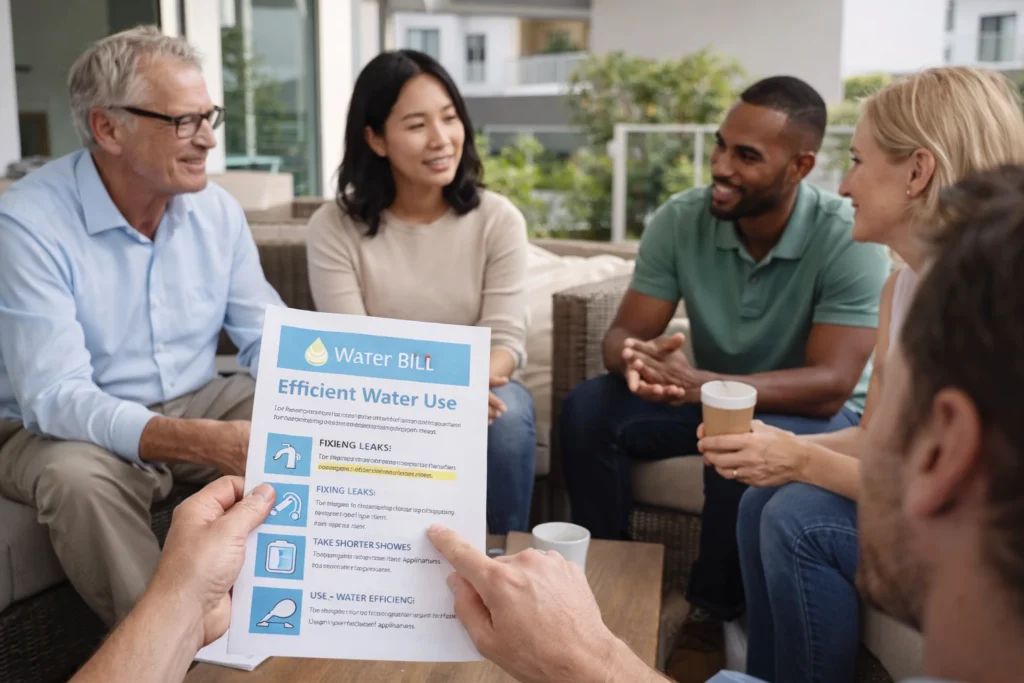
Fix leaky taps immediately since even small drips waste litres daily and increase bills for everyone. Those small leaks add up faster than you’d think.

And that’s where things get interesting. Simple habits like shorter showers, full washing loads, and turning taps off while brushing also reduce overall consumption. For even bigger savings, WaterSense-labeled fixtures like low-flow showerheads can save the average family 700 gallons of water per year without major lifestyle changes. That’s quite impressive, isn’t it?

Protecting Shared Water for Your Community

When everyone uses water responsibly in a shared water system, it protects the supply for the whole community. This conservation also reduces strain on local water resources and helps the environment. Remember, small actions create lasting change.

What does that look like? As you fix leaks and use efficient fixtures, these actions save money and protect clean water access for current and future residents. After all, in shared systems, every person’s habits affect everyone else’s bills and the building’s water supply.

Setting Ground Rules That Actually Stick

Written agreements that spell out usage guidelines, billing methods, and dispute processes solve most conflicts in shared systems. Honestly, nobody enjoys discussing billing rules upfront, but these conversations prevent headaches later.

Through our practical knowledge working with shared water systems, written agreements resolve 8 out of 10 conflicts. Also, regular check-ins help address concerns early.

Ready to Make Shared Water Easier?

Shared water systems often create confusion around billing and cost division. That’s why residents face disputes over unfair charges and unclear usage tracking. Thankfully, there are proven strategies to make these systems fair, transparent, and conflict-free for everyone in your building.

This article explained how water charges are calculated, fair cost-division methods, and common billing disputes. You also learned practical water efficiency tips, ways to protect community water resources, and how to establish agreements that prevent conflicts.

Building on these strategies, Easy510 supports communities worldwide with better water access and sustainable management solutions. Visit Easy510 to learn how we help create cleaner, fairer systems.

How Local Groups Can Start Water Saving Projects

How Local Groups Can Start Water Saving Projects

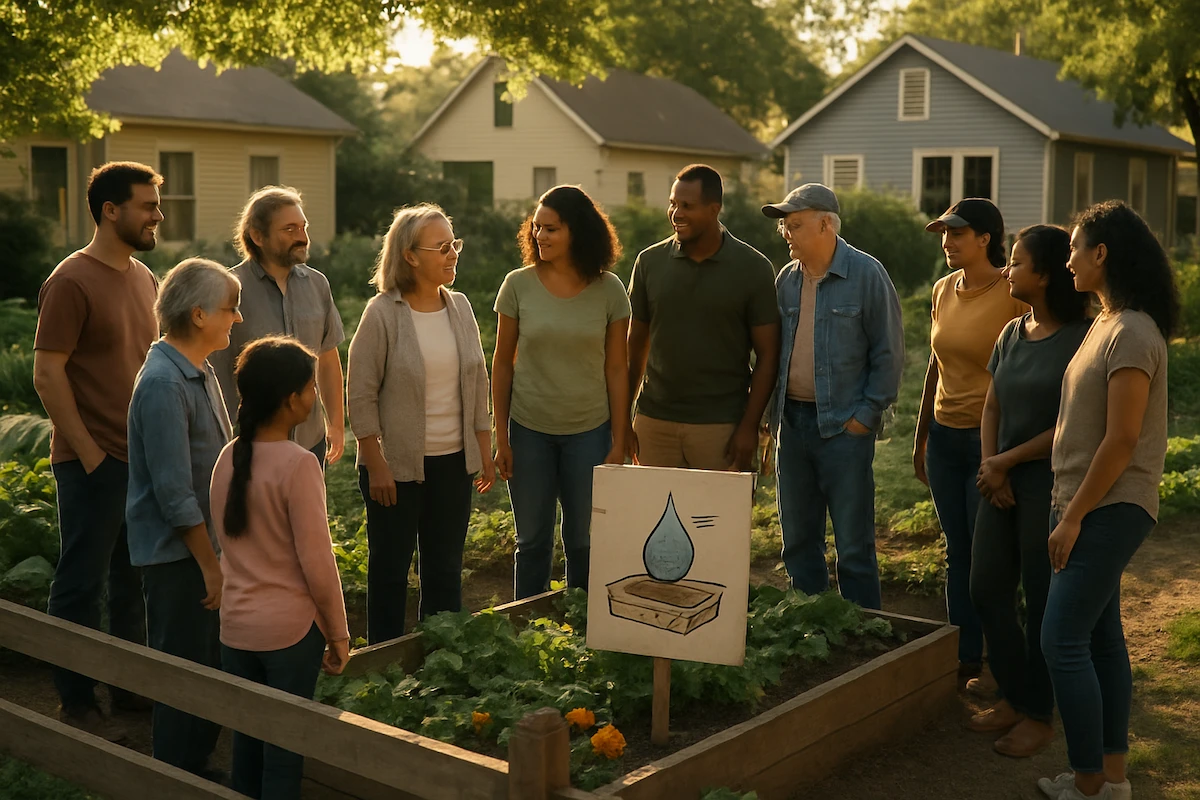
Local groups can start water-saving projects by picking one or two simple habits, spreading the word, and building from there. It really is that easy.

But the thing is, most groups don’t know where to begin. They want to help, but the options feel overwhelming. Should you focus on taps? Gardens? And how do you get others on board without sounding preachy?

As a Brisbane-based water filtration company, we’ve seen community groups give up before they even start because of this confusion. But we’re about to change that for you.

In this article, you’ll learn simple indoor habits your group can promote, water-efficient fixtures worth installing, outdoor tips for gardens and rainwater, and ways to protect local freshwater sources.

Keep reading to learn water-saving ideas for your community.

What Are Water-Saving Ideas and Why Should Local Groups Care?

Water-saving projects are basically everyday actions that cut down how much water you use at home, work, or shared spaces. For example, taking shorter showers, fixing leaky taps, or only running the washing machine when it’s full. Small changes like these add up fast.

And you know what? Local groups have more power than they realise. One person turning off the tap while brushing their teeth saves a bit. But when fifty households are doing the same, that actually helps protect your local water supply.

Starting this type of community project also shows local councils and businesses that your community genuinely cares about reducing waste. And once that momentum builds, other projects like rain tanks, native gardens and water-efficient upgrades for community halls become much easier to pull off.

Save Water With Simple Indoor Habits

Indoor habits cost nothing to adopt and deliver instant results. That’s why they’re the perfect starting point for any community group looking for water-saving tips. The best part is, you don’t need any tools or money to get started. Just a few tweaks to how you use the tap, shower, and washing machine are enough.

Let’s look at two easy wins your group can promote straight away.

1. Turn Off the Tap While Brushing Your Teeth

Save Water With Simple Indoor Habits

Believe it or not, a running tap wastes about 12 litres of water every single minute. That’s a lot going down the sink for no reason. So make it a habit to turn off the tap every time, even while you’re brushing your teeth.

Project Idea: Print some reminder stickers and hand them out to members. They can pop them near the bathroom sink at home. It’s a small nudge, but it works.

You could even pair this with a shower timer challenge to save even more. Each member tracks their shower time for a week and tries to shave off a minute or two.

2. Run Full Loads Before Starting the Machine

Half-empty washing machines and dishwashers use almost the same amount of water as full loads. So every time you run a half load, you’re wasting water for no good reason.

Based on our research, waiting for a full load saves anywhere from 10 to 30 litres, depending on your appliance. And if you’ve got a water-efficient washing machine with more stars on the rating label, you’ll save even more.

This tip works for washing dishes, too. Instead of rinsing plates under a running tap, fill a washing-up bowl and do them all at once. It’s the same idea, but with less waste.

Helpful Tip: Share this in your group’s newsletter or chat group. Once families start thinking twice before hitting that start button, the savings add up fast across the whole community.

Which Fixtures Help Reduce Water Usage?

In our experience, adding fixtures like dual flush toilets makes a noticeable difference in how much water your group uses each month. Also, fixing your dripping taps can stop thousands of litres from sneaking down the drain each year.

So get these two sorted first.

1. Install a Dual Flush Toilet

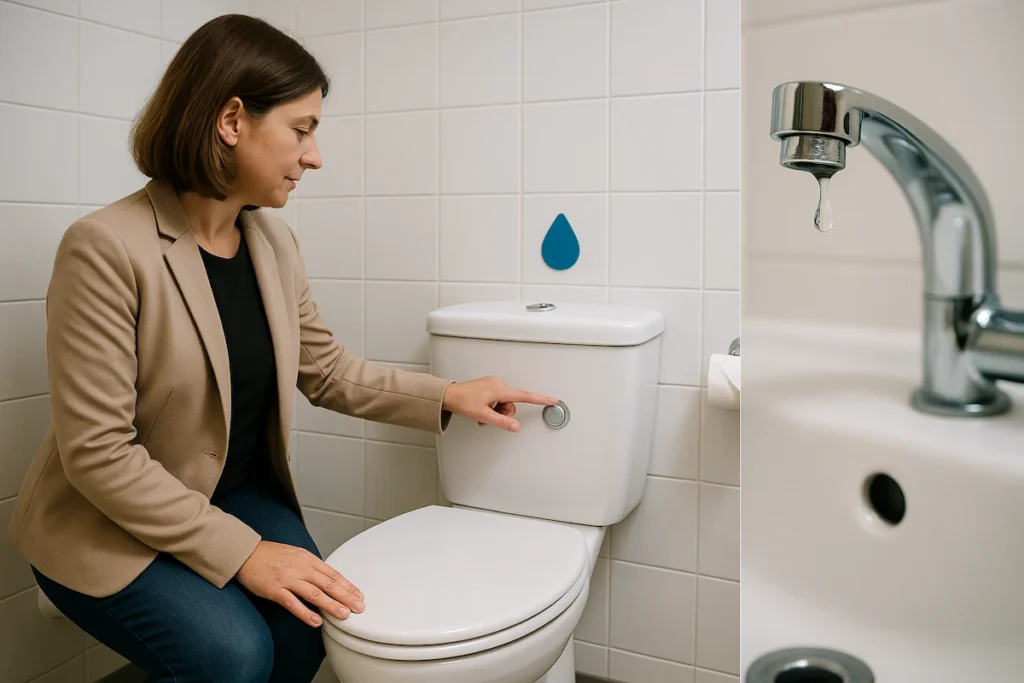
A dual flush toilet gives users two buttons. One for a half flush, one for a full flush. Simple, right? But that small choice at the toilet bowl saves litres every single visit.

Here’s how it works: A standard toilet uses around 18 litres per flush. Meanwhile, dual flush models use roughly 4.5 litres for a full flush. Over a year, that difference adds up to thousands of litres per household.

Fortunately, many Australian councils offer rebates for installing water-efficient toilets in community buildings. Water Corporation even offers customers up to $400 off when replacing old single flush systems with dual flush models.

So before your group spends a dollar, check what’s available in your area. You might get the upgrade at half price or less.

2. Fix Dripping Taps to Lower the Drop Count

Ever noticed that annoying drip-drip sound from an old tap? That one dripping tap is also wasting thousands of litres of water every year. We’ve seen it more times than we can count.

Try this old trick to check for a hidden leak: Add a few drops of food colouring to your toilet cistern and wait a few minutes. If colour shows up in the bowl without flushing, you’ve got a leak.

Thankfully, fixing drips won’t cost you a huge amount. You’ll only just a new washer from the hardware store and ten minutes of your time. If water pressure is low, that could also signal leaks hiding in your pipes.

Here’s a fun idea: Organise a “fix-it day” where handy members repair taps across several households in one afternoon. This way, what starts as a boring chore becomes a proper community event. Plus, you’ll stop thousands of litres from going down the drain.

After getting your indoor fixtures in order, let’s step outside and look at how gardens and rainwater tanks can save even more.

Can Native Plants and Mulch Lower Outdoor Water Use?

Yes, native plants need far less water than exotic varieties. And mulch helps soil hold moisture for longer between waterings.

Native species have spent thousands of years adapting to Australia’s dry conditions. So they don’t need constant watering to survive. On the flip side, exotic plants from wetter climates get thirsty fast and push your water use through the roof.

And mulch does the heavy lifting while you sit back with a cuppa. A thick layer of around 5 to 10 centimetres reduces evaporation loss and keeps the soil cool. Your plants stay happy, and you water your garden less often.

Now here’s a project idea for your group.

Host a planting day at a local park, school, or community hall. Everyone brings a few native plants, and you spend the morning getting them in the ground. It’s social, it’s low-cost, and it spreads native gardens across your neighbourhood.

If you’re not sure which plants suit your area, we recommend checking with your local council or nursery. In Western Australia and other dry regions, grevilleas, kangaroo paws, and bottlebrushes are popular picks. They look great, attract native birds, and barely need any extra water once established.

How Can Rainwater Tanks Support Group Water-Saving Goals?

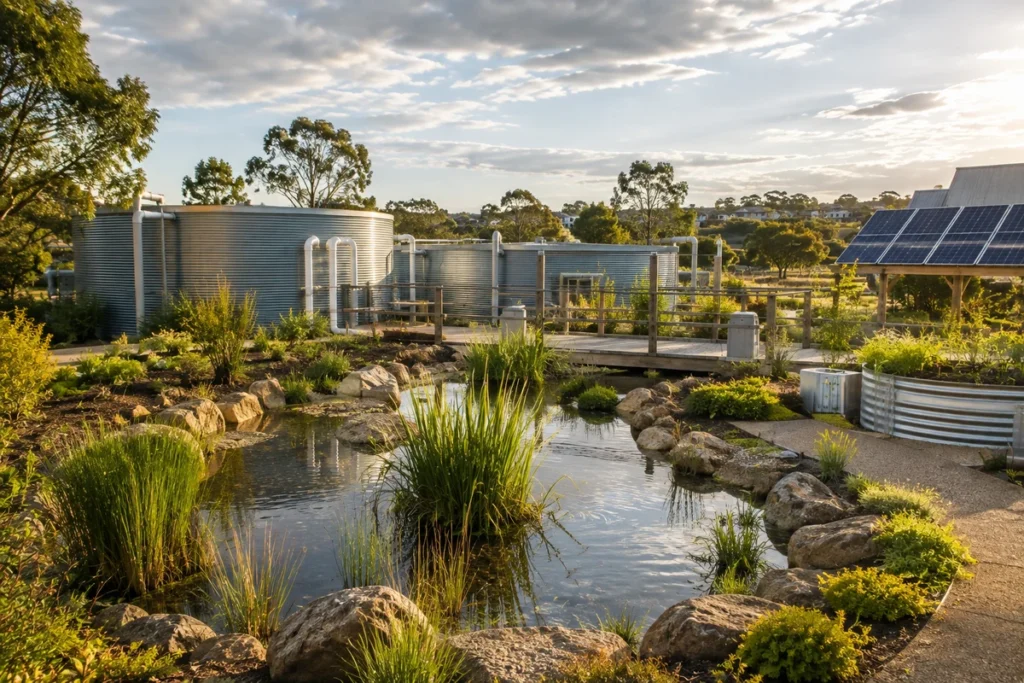
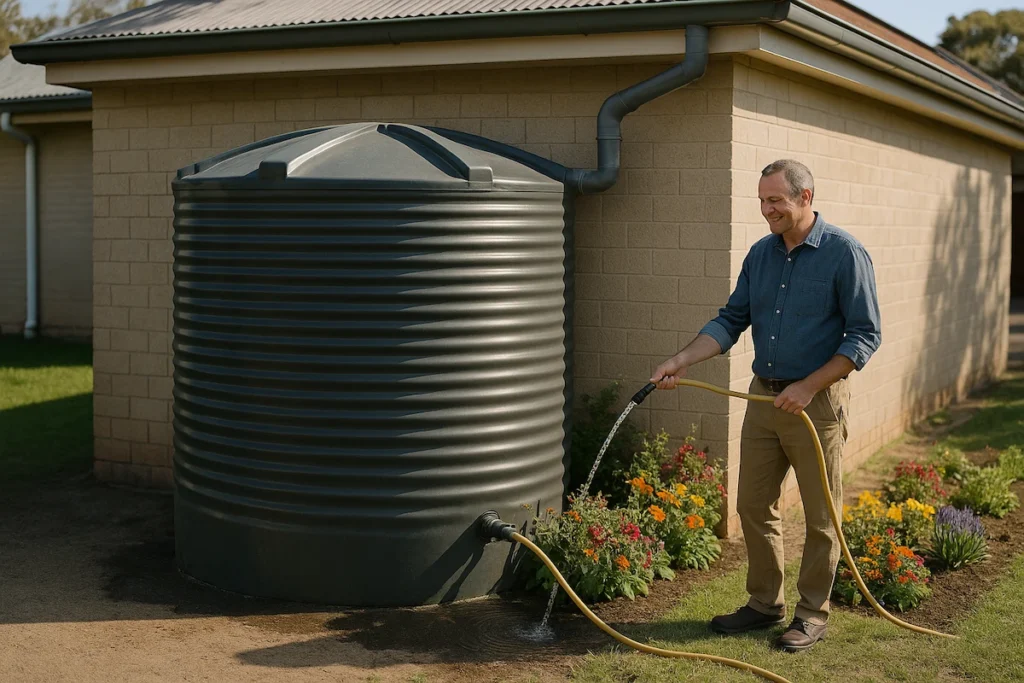
Rainwater tanks give your group a free water source for gardens, cleaning, and even toilet flushing. They capture water from rooftops that would otherwise rush straight into storm drains. That’s free water going to waste if you don’t catch it.

The collected rainwater is perfect for:

  • Watering your garden
  • Washing cars
  • Topping up the toilet cistern
  • Supplying community buildings (like scout halls or sports clubs)
  • Rinsing outdoor gear after events
Rainwater Tanks Support Group Water-Saving Goals

Basically, rainwater handles anything that doesn’t need drinking-quality water. This gives your community a reliable backup supply, especially during dry spells when water becomes scarce and bills start creeping up.

Useful Tip: Check your local council’s rules before installing a rainwater tank or water butt. Some areas have size limits or placement guidelines, so it’s worth a quick call to avoid any surprises later.

What Steps Protect Freshwater Sources by Reducing Water Waste?

Now that you have practical water-saving ideas, it’s worth understanding why all this effort is actually necessary.

Every litre you save at home means less pressure on local rivers, dams, and underground aquifers. These freshwater sources supply drinking water to entire communities. And they don’t refill overnight. Some take years or even decades to recover after heavy use.

Let’s be real here. Climate change is making things harder. Droughts are lasting longer, and rainfall patterns keep shifting. The less water we waste now, the more we protect for future generations.

Also, reducing water waste shrinks your carbon footprint. Pumping, treating, and heating water all use energy. So when your group cuts back on water usage, you’re also cutting back on energy use. That’s two wins from one habit.

Your community doesn’t need to solve the whole water crisis alone. But every drop you save helps keep freshwater sources healthy for everyone who comes next.

Your Community’s Water-Saving Journey Starts Today

Starting a water-saving project might not be everyone’s cup of tea. But as you’ve seen, it’s easier than you think. When you build up a few simple habits, some low-cost fixture upgrades, and a group willing to spread the word, it becomes a natural habit before you know it.

The tips we’ve covered can help your group save water, cut down on energy bills, and lower those water bills, too. Plus, you’ll be doing your bit to protect local freshwater sources for years to come.

So gather your group, pick one or two ideas from this list, and get started. Every tap turned off, every full load waited for, every garden planted with natives adds up.

Your community has the power to save thousands of litres. And it all starts with that first small step. For more tips and guidance, get in touch with our team at Easy510.

clean water projects

Every Drop Counts: Local Projects Changing the Future of Water Access

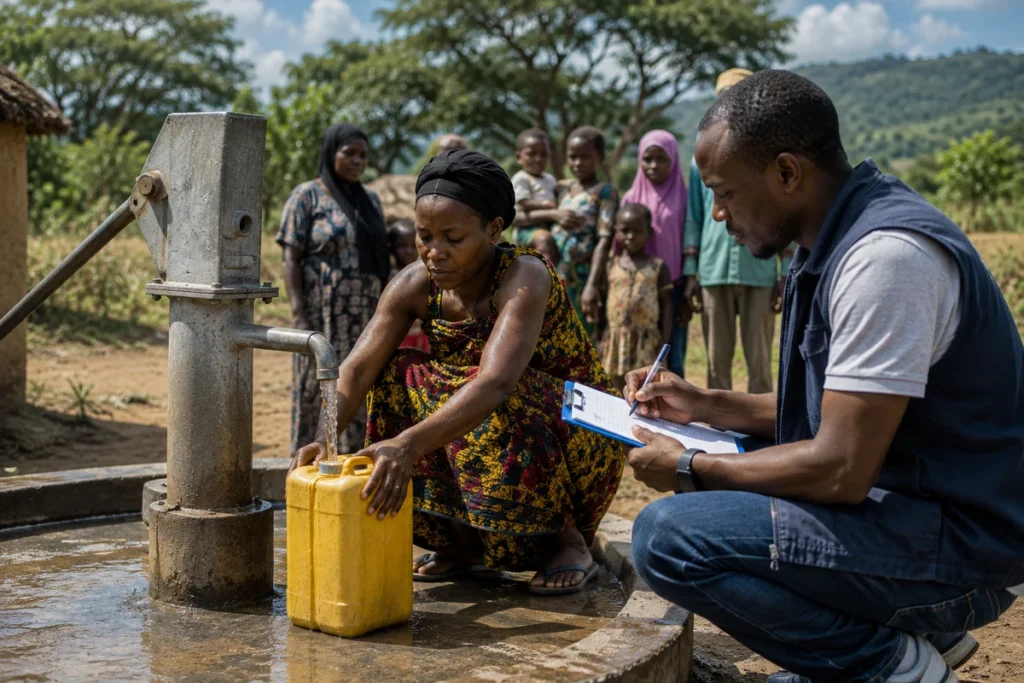
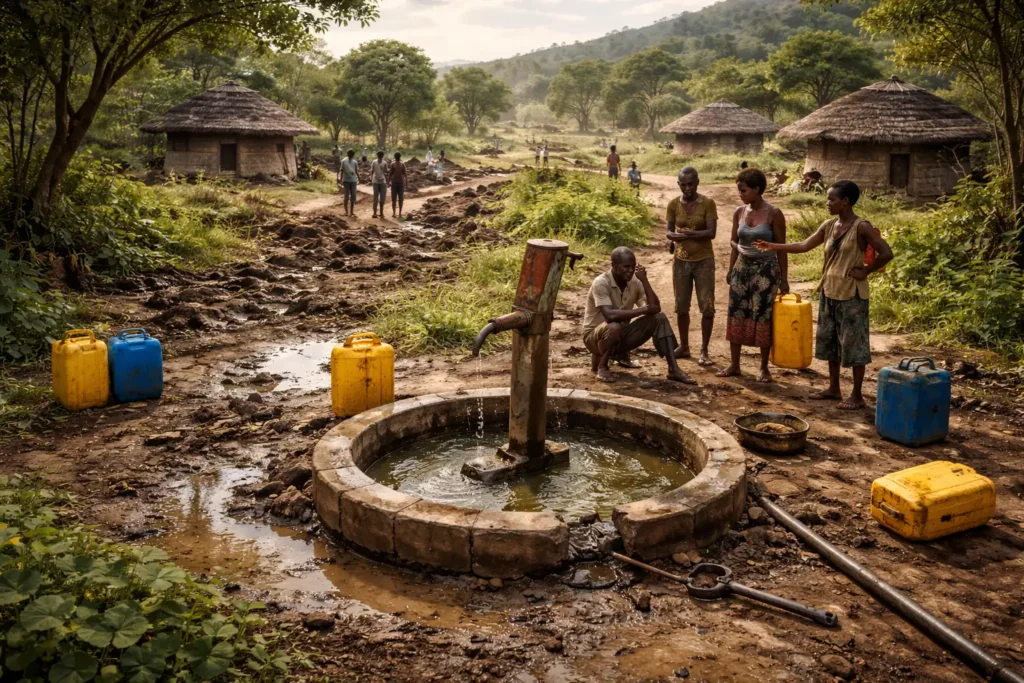
A mother in rural Kenya wakes at 4 AM. She walks two hours in the darkness to reach a muddy waterhole. That water makes her children sick, but it’s all she’s got to feed them.

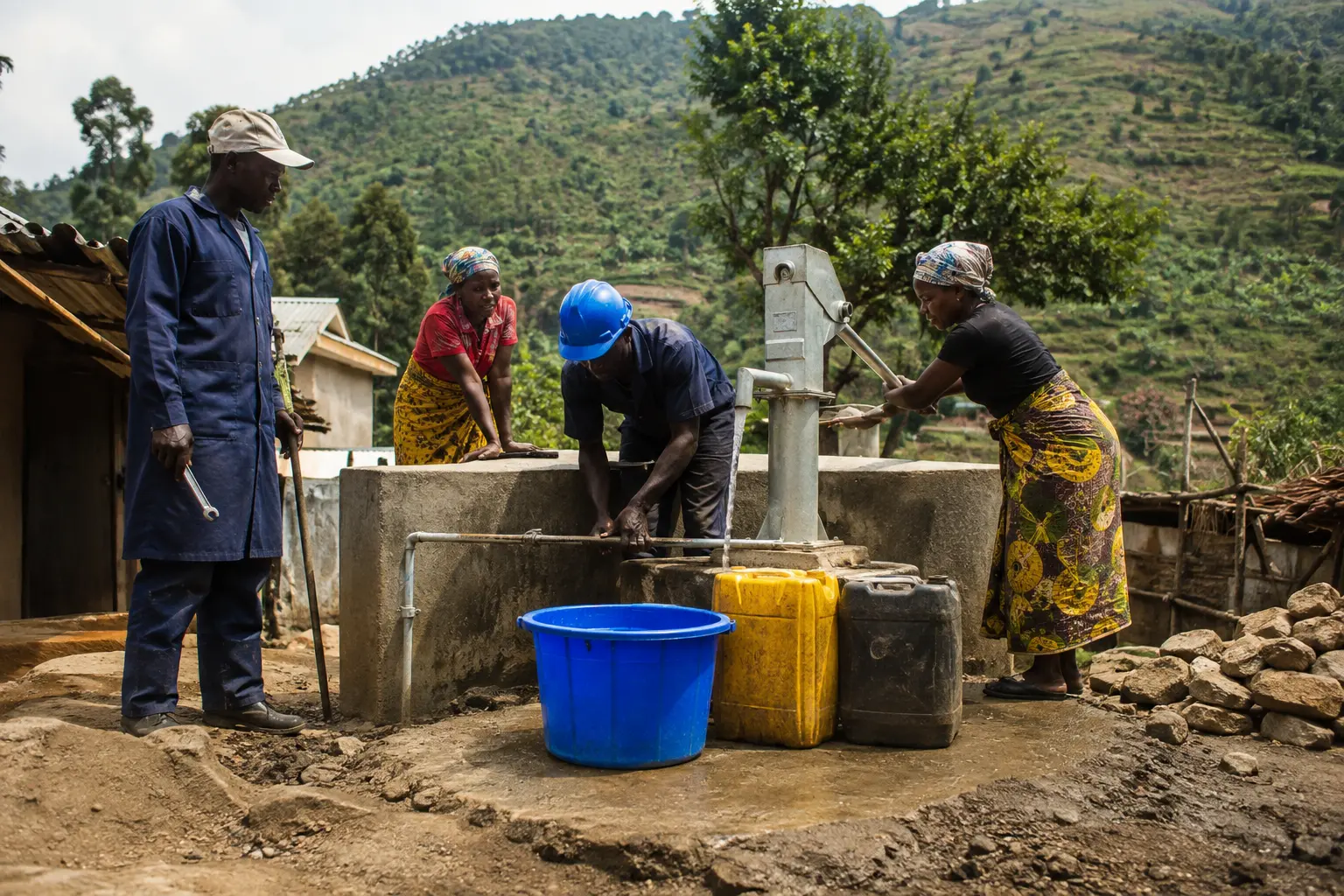
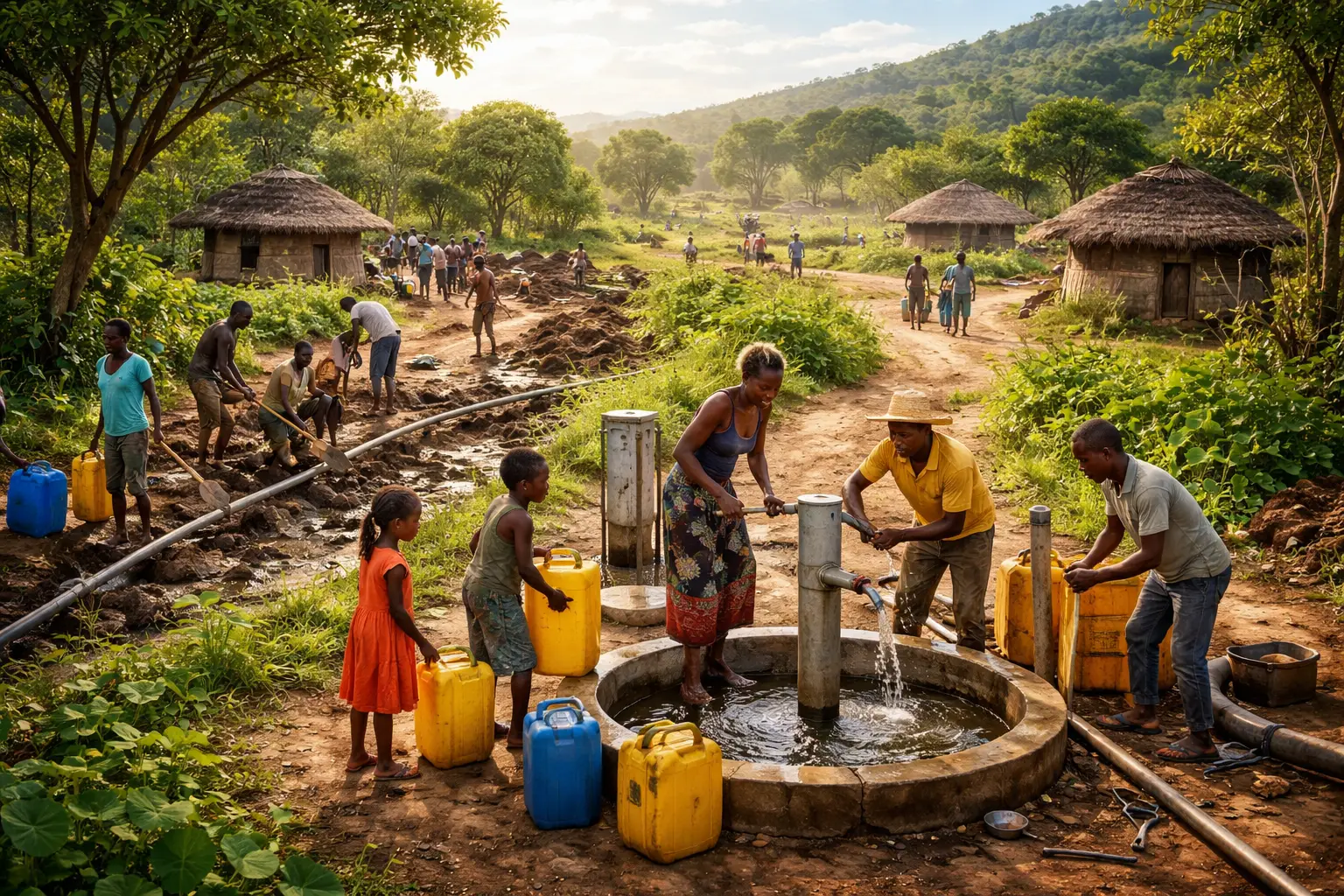
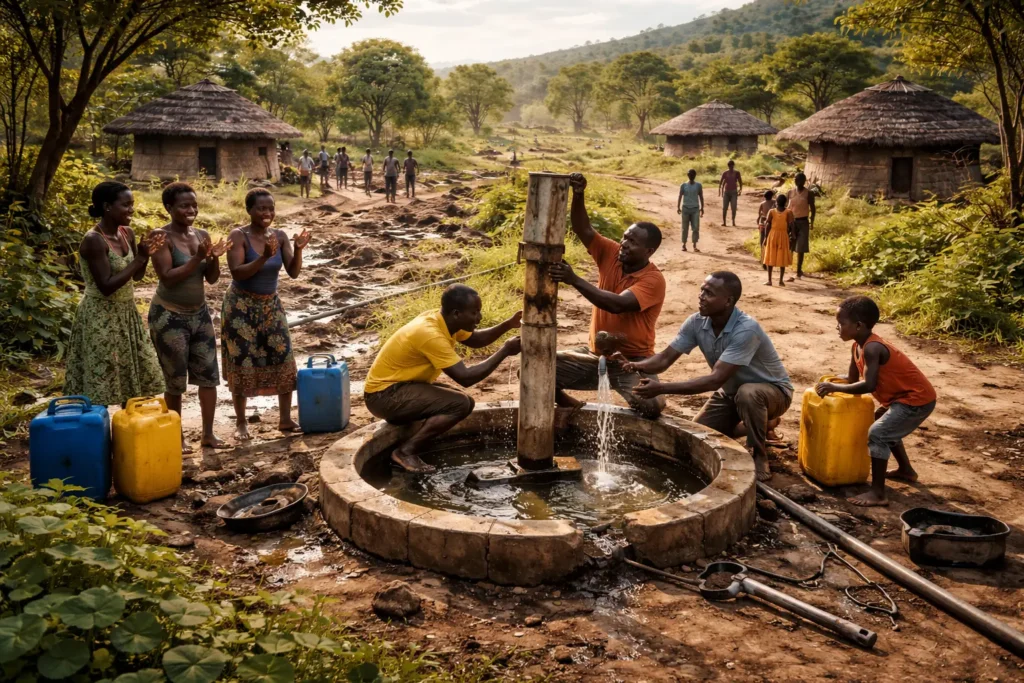
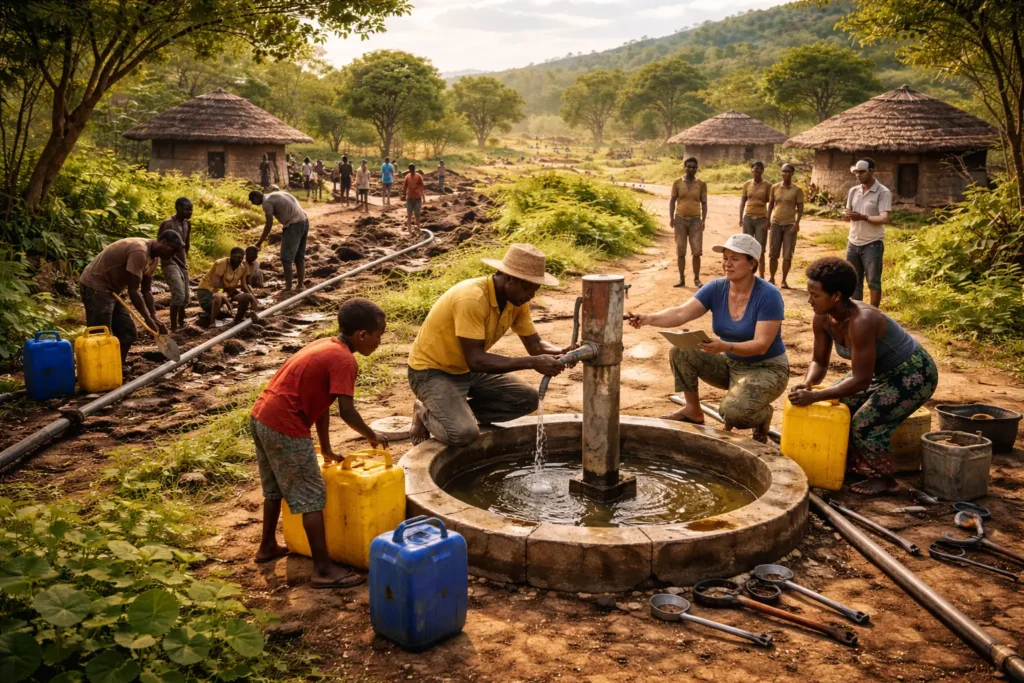
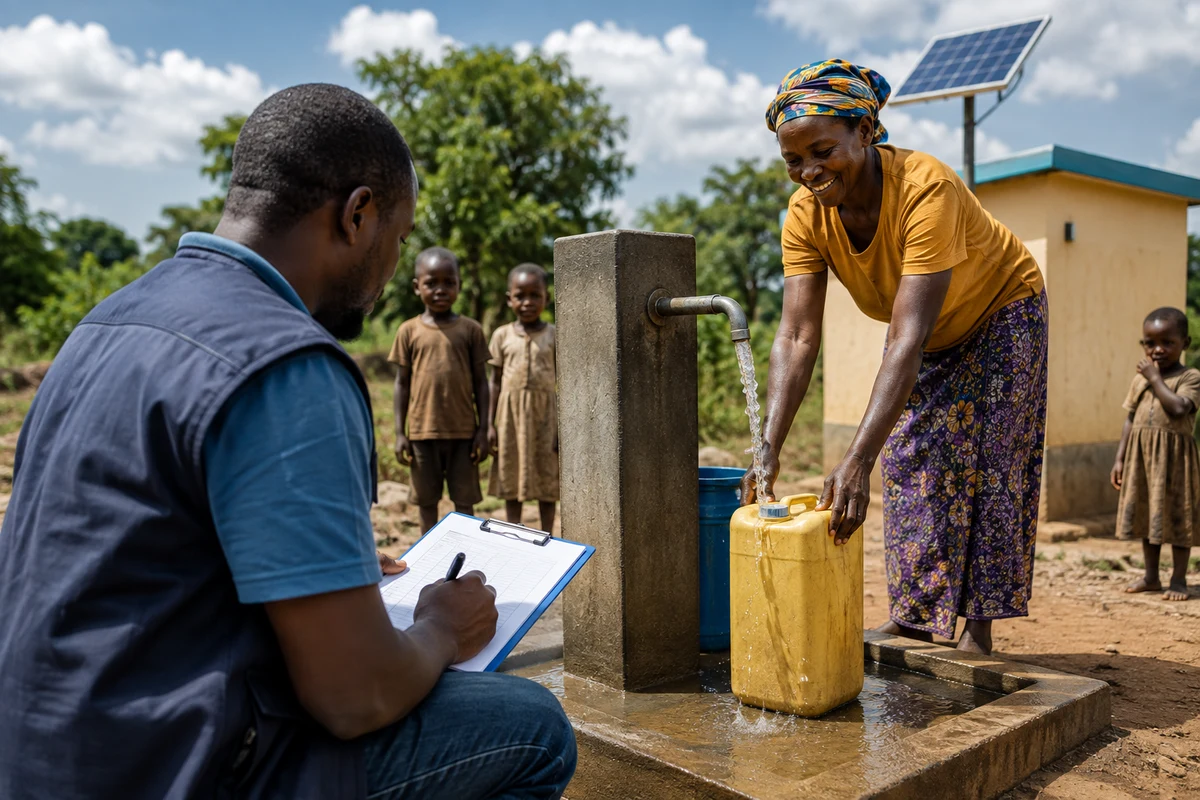
Now imagine her village six months later. A borehole pump sits 200 metres away from her door. Her kids attend school instead of searching for water. Disease rates dropped by half. (Ain’t it amazing?)

What changed there? It’s her community that stopped waiting for help and built the solution themselves.

In this article, you will learn about the different water project types that are changing villages worldwide. You’ll also discover the real economic impact, see real success stories from three continents, and learn how to launch a water initiative in your own community.

The global water crisis has solutions. If you are willing to know, keep reading us.

Why Clean Water Projects Save Lives In Vulnerable Communities

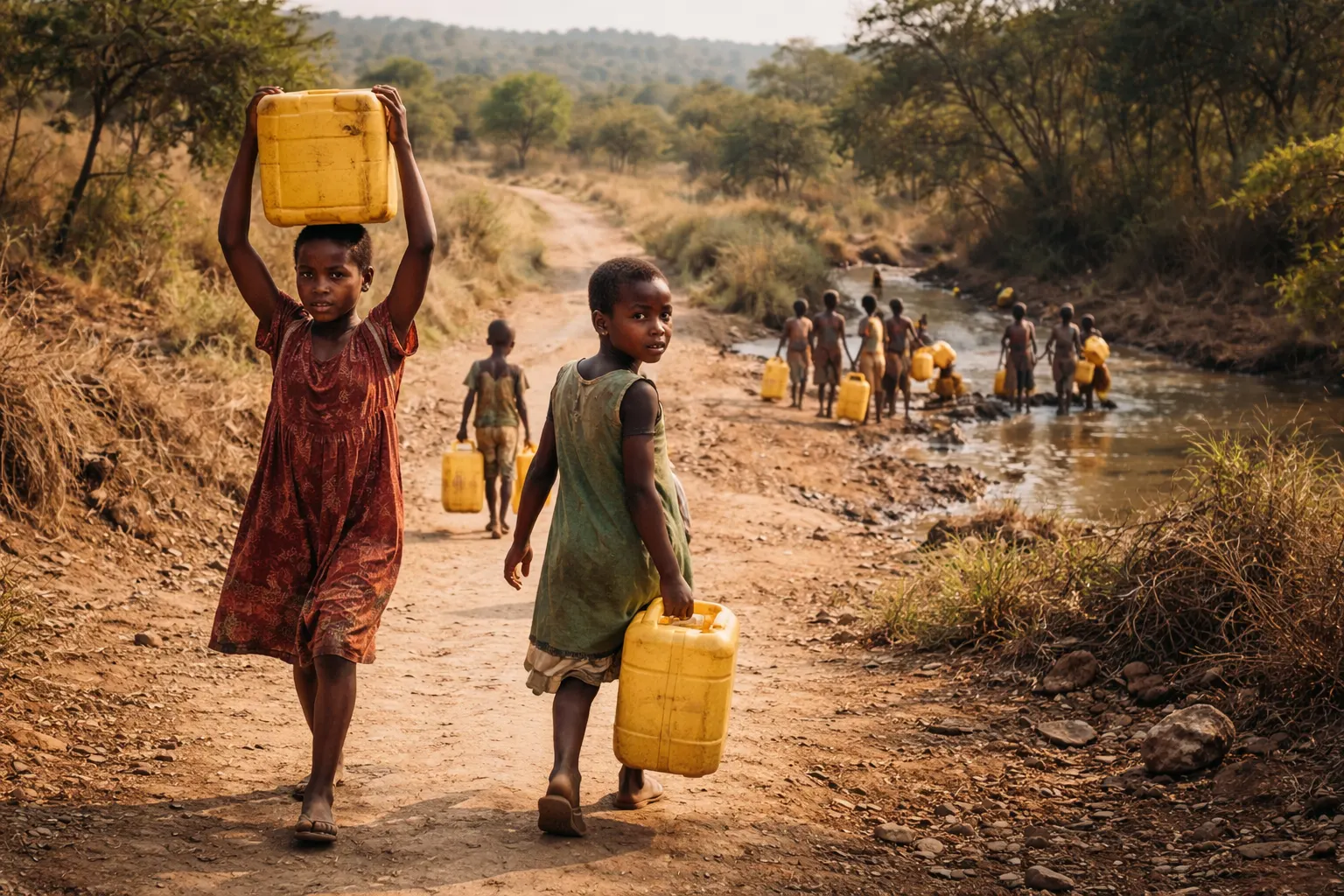
Picture an eight-year-old walking four hours to fetch water from a river where cattle also drink. Back home, her little brother’s got diarrhoea again. (Irony of fate!)

That contaminated water kills hundreds of thousands of children under five, yearly. Over 300,000 kids die every year in Sub-Saharan Africa from diseases caused by unsafe water and poor sanitation. (Bad water quality kills more children than war does.)

Sometimes, families spend hours daily collecting unsafe water from distant sources. They walk more than 8 hours each day to collect unsuitable water in Sub-Saharan Africa. These water supply issues burden entire communities, and their potential.

That’s not the end of their sufferings. Kids in those communities miss school when sick from waterborne diseases like cholera. Meanwhile, girls stay home without proper sanitation facilities.

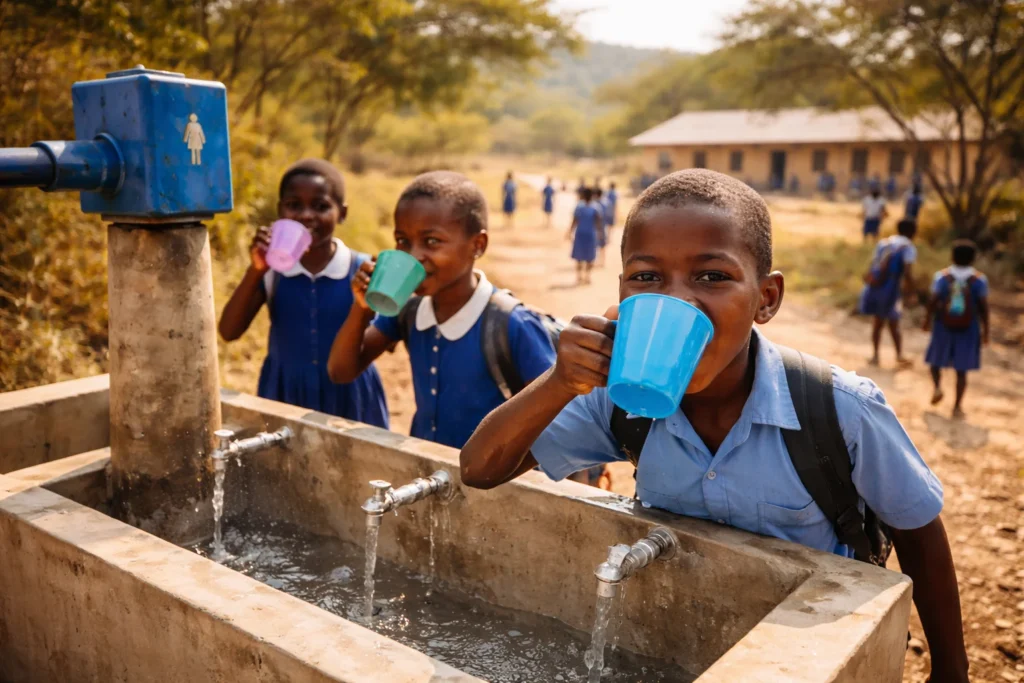
Only clean water projects can save them and their suffering. It brings safe drinking water to local communities and gives kids their futures back.

Community-Led Initiatives Changing Water And Sanitation Access

Community-Led Initiatives Changing Water And Sanitation Access

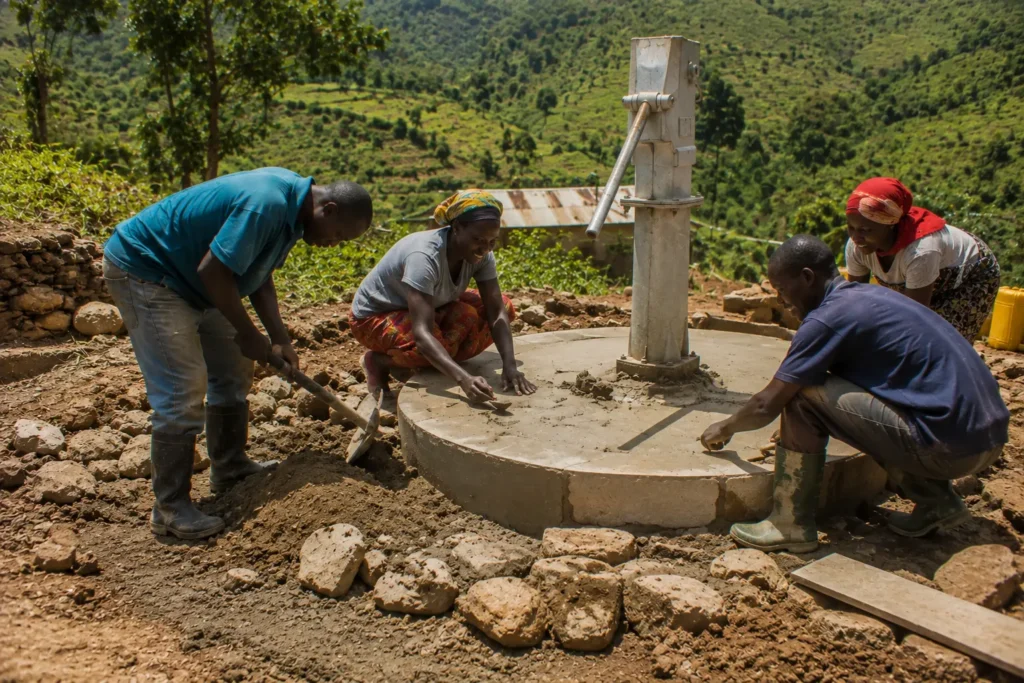
Communities create the best water resource management solutions themselves. When locals design and maintain water systems. These projects last for decades.

Here are three approaches that prove most effective across developing countries:

Deep Wells Delivering Safe Water

Boreholes bring underground water resources where water stays filtered naturally. The Water Project teams with local partners to construct these borehole wells and small dams, and continuously audits them to ensure they are functioning properly.

These initiatives need sustainable water management where local community members stick with it long-term.

Rainwater Capture For Sustainable Water Management

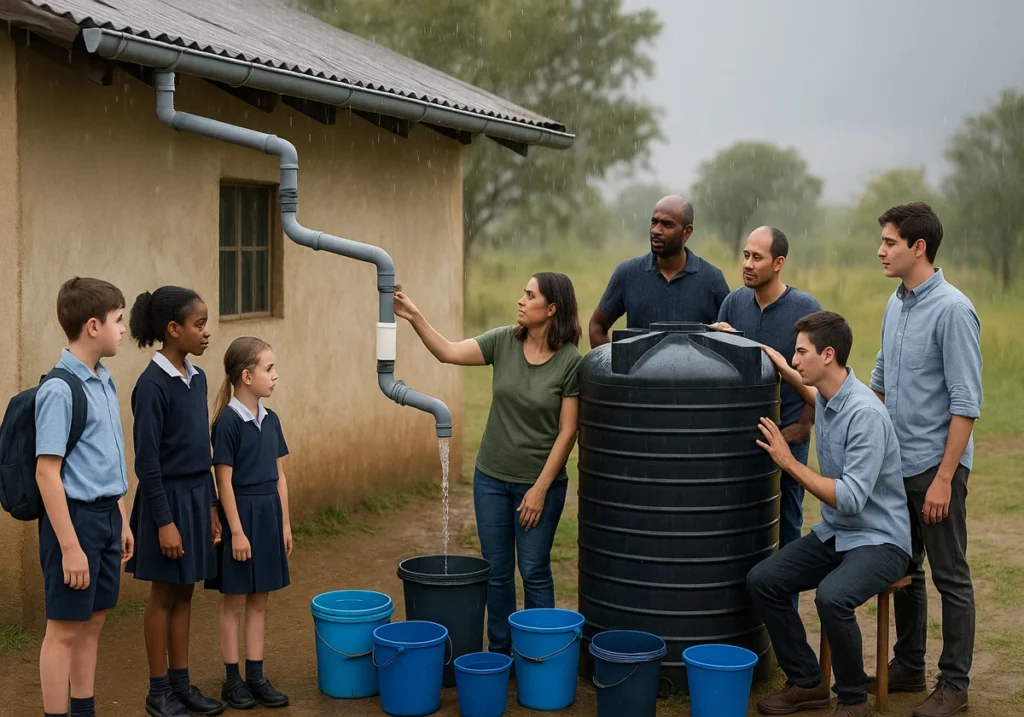
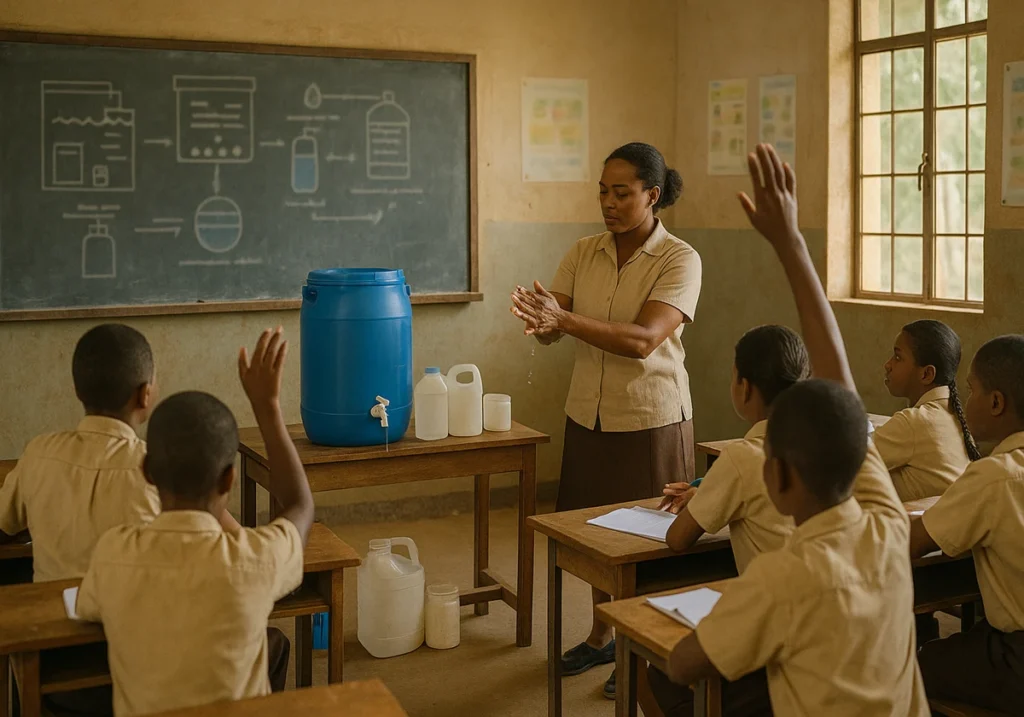
Schools and colleges of that community can build gutters leading to a large litre tank. Rain flows through filtered pipes during wet months in those tanks and collects the water for later.

Now, students can drink clean water year-round. This system costs half than a borehole, and gutters only need cleaning twice a year.

Small Dams Storing Surface Water

Unlike regular dams that trap water, sand dams collect sand and silt that naturally filter and store water. We can think of it like a giant natural sponge.

Rivers carry sand downstream during rain, and the dam traps it. Then, water soaks into this sand reserve and stays clean for months, even though the riverbed dries completely.

Each of these methods works for water security, but success entirely depends on community ownership and proper maintenance.

Real Success Stories Showing Sustainable Progress

UNICEF has helped over 1.6 billion people access safe drinking water since 2000. Behind every number, there’s a family that doesn’t fear the scarcity of water anymore.

They work in 100 countries providing water and sanitation services. Their sustainable development approach creates change that lasts, not quick fixes that crumble.

Besides UNICEF, water fund transparency projects serve nearly 17 million people. They funded 120,784 water projects across 29 countries. Every donor sees exactly where their money goes, through GPS coordinates, photos of smiling kids, and the whole story.

Transparency like this builds trust and brings more people into the fight for clean water.

Instead of these donors, there are community owners who ensure water projects continue working for decades ahead.

How do they work? Each household of those communities provides a few dollars monthly for maintenance and repairs. So, when pumps break, they’ve already saved the money to fix them. Nobody needs to beg donors for emergency funds years later.

Climate Change Threatens Sustainable Water Sources

Climate Change Threatens Sustainable Water Sources

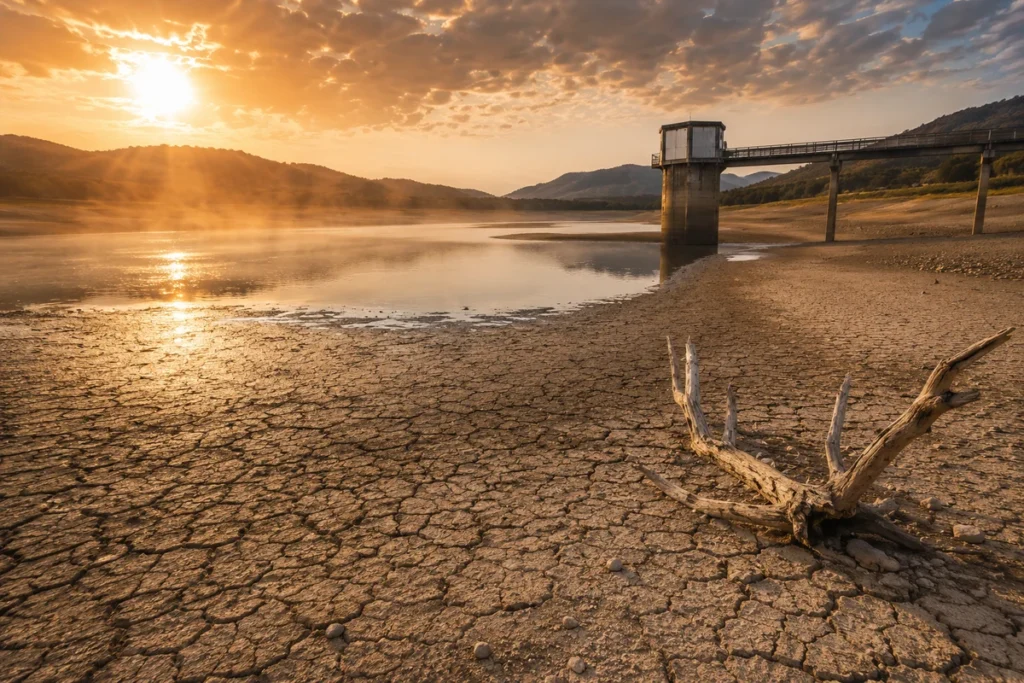
What happens when you have only a water source that vanishes overnight? This happens due to climate change. It affects the freshwater supply severely, with water storage dropping 1 cm yearly for 20 years.

By 2050, people at risk from floods will jump from 1.2 billion to 1.6 billion. Because, in the summer, droughts wipe out water resources completely, then floods wash out whatever remains in the rainy season.

Due to these extreme weather events, communities face brutal choices. They migrate or watch their children go thirsty.

Only climate-resilient designs can help these people. It helps the water systems withstand extreme weather patterns. You may think ground-level systems seem safer, right? That’s a totally wrong idea! Elevated water tanks survive floods better every time.

Another climate-friendly design is Solar pumps. They keep running when storms knock power grids offline. Overall, the cost of these adaptations is more advanced, but it saves lives when disaster strikes.

The main thing is that nature-based solutions protect watersheds and improve sustainable water management practices.

Hygiene Education Builds Long-Term Sustainability

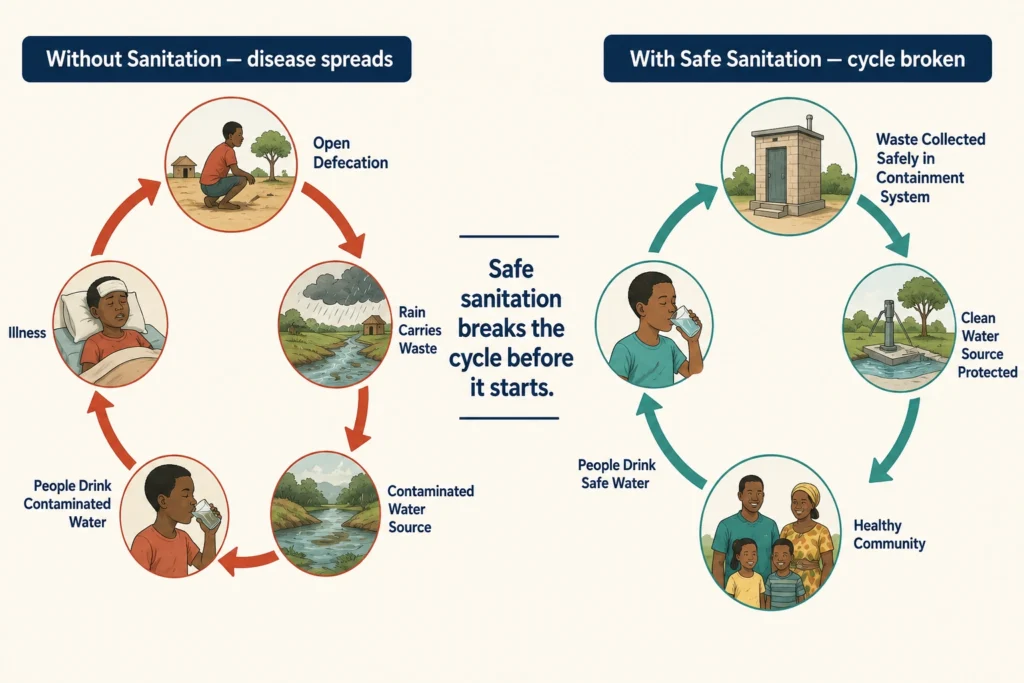
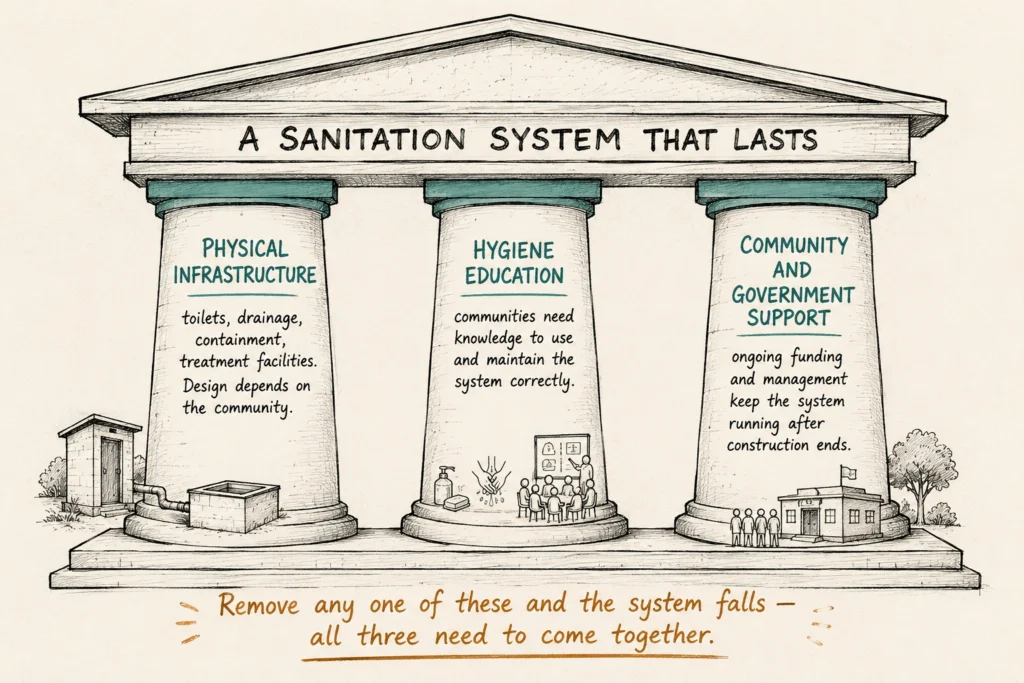
Installing wells, then leaving them without proper maintenance, is a common thing. That’s how projects fail every time. So, the communities need both infrastructure and solid knowledge about hygiene services.

They need to know the importance of handwashing with soap. Washing hands with soap reduces diarrhea cases by 40%. Maintaining these simple practices can save more lives than fancy medical interventions do. (Soap costs pennies. Medicine costs fortunes. Do the maths.)

Here’s a common mistake they make: they collect clean water and then dump it in unwashed containers. Others dip dirty hands straight into storage buckets.

In this situation, behaviour change programs can be arranged. These programs teach families proper water storage and sanitation. It also teaches water and sanitation practices that stop recontamination. Small changes prevent disease from spreading through entire households.

Kids are the better learners here. They can learn it in school. Then teach their own children without anyone advising them. (Knowledge spreads across generations naturally.)

Hygiene Education Builds Long-Term Sustainability

Women And Girls Carry The Heaviest Water Burden

Water scarcity punishes women and girls the most. They spend 200M hours daily collecting water. Those hours are stolen from their learning, earning, and living, while men pursue education and jobs.

Girls as young as five start filling water containers. Then, years of heavy loads damage their spines and necks permanently. It’s a human rights crisis affecting half the population in many countries.

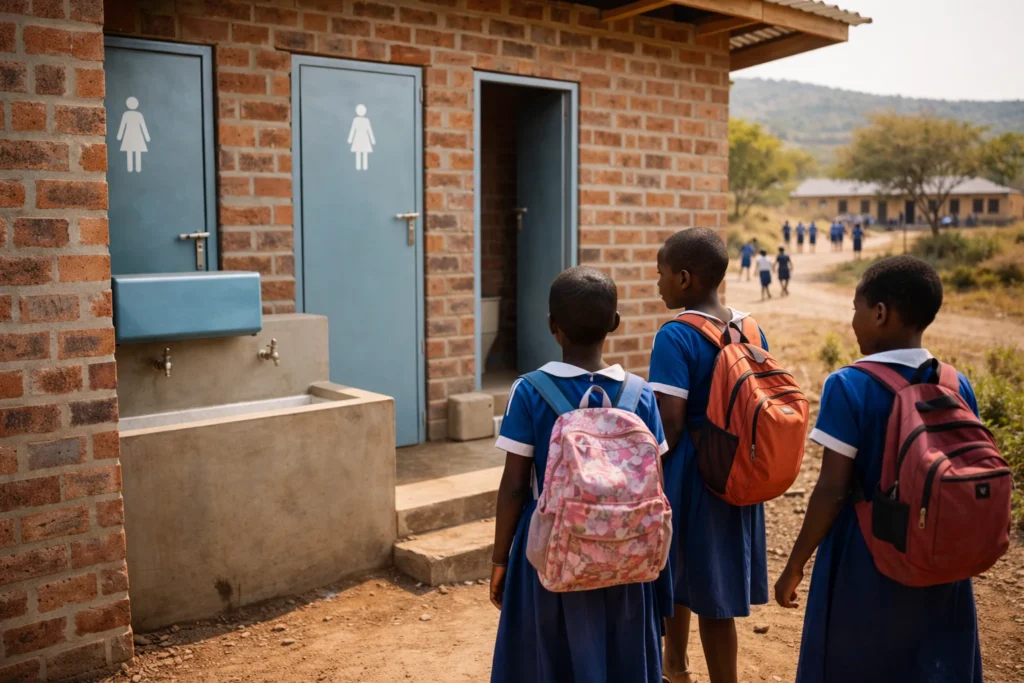
Also, girls miss school during menstruation without proper sanitation facilities available. Imagine being 13 and missing a week of school monthly because your school has no private toilets.

When communities built proper sanitation facilities, girls could attend safely. These deprived girls finally get equal shots at education and careers. (Access to water and sanitation opens doors that poverty had locked.)

Sometimes, long walks to distant water sources expose women to danger. Dawn hasn’t broken but she’s already walking alone two kilometres to the river. Wild animals roam these paths.

They may even face violence that spikes on isolated water collection routes. That’s why clean water projects near homes protect women’s safety while restoring their dignity.

Starting A Community-Led Water Initiative Locally

Ready to bring clean water to your community? Local groups worldwide proved you can do this with the right approach. Approaches like:

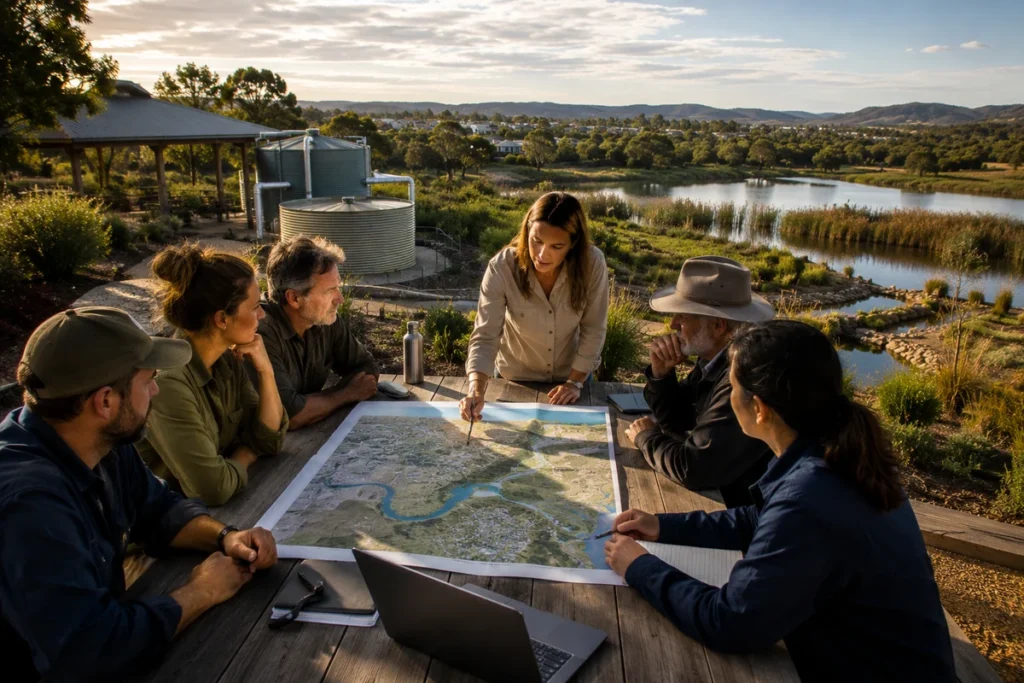
  1. Identify your community’s specific water access gaps: Start by mapping where water sources sit in your area, then talk to neighbours about their daily struggles and prioritise what needs fixing first.
  2. Partner with local organisations: Groups like WaterAid have done this hundreds of times and know which water systems work in your soil type. Work with them since they are already experienced in water availability and sanitation facilities.
  3. Secure grants and community contributions: Everyone must contribute something like money, labour, or materials because skin in the game creates ownership that makes projects last. This fund encourages building a sustainable infrastructure together.

Pro tip: Projects that are entirely funded by outsiders can collapse when they leave. That’s why building community investment creates ownership and accountability that lasts.

Overcoming Challenges In Sub-Saharan Africa’s Water Projects

Sub-Saharan Africa stands as the only region where people grow up without access to clean water. According to the World Bank, 387M people lacked basic drinking water in 2020. The challenges cut deeper here than anywhere else.

There are three barriers standing in the way of getting clean water:

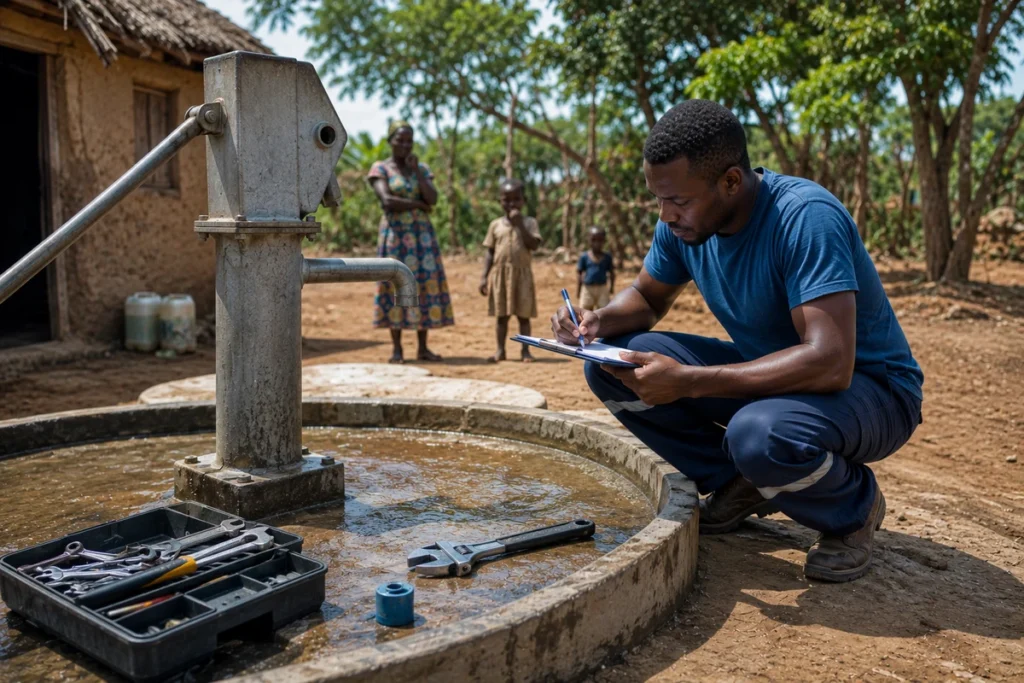
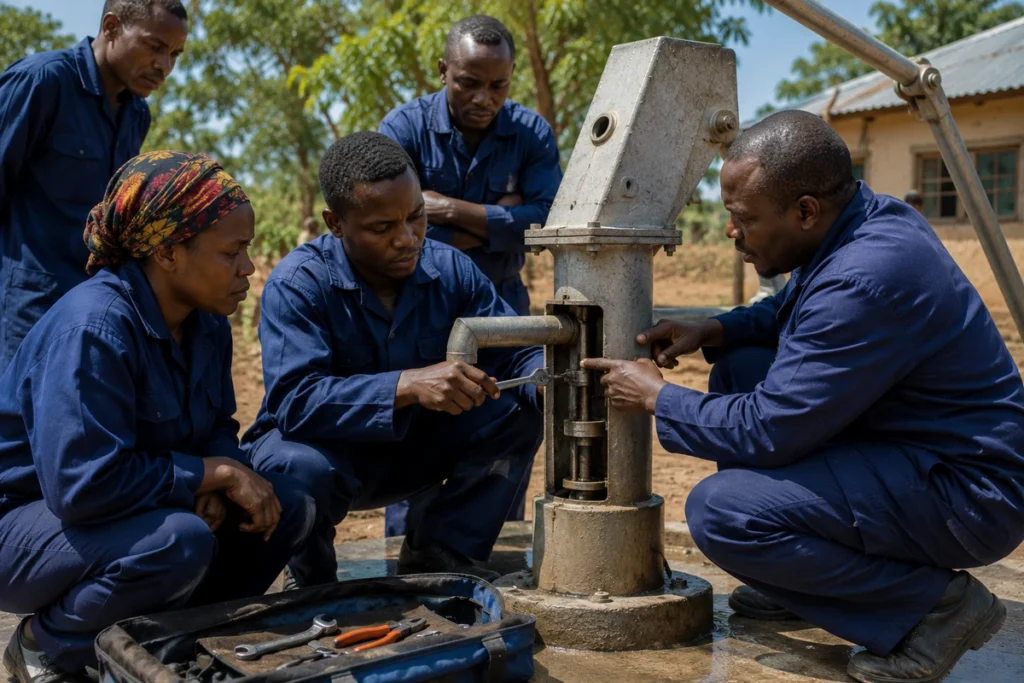
  • Broken pumps and wells fail without proper maintenance: When equipment breaks down, nobody knows how to fix it. Even new parts take weeks to reach remote areas. Besides, they don’t have water resource management knowledge, technical skills, or steady investment.
  • Communities struggle to afford water system operation costs: Critics say free water projects create dependency. And, they’re partly right about that. Communities need business models that generate revenue for essential water services. This way, balancing affordability with financial sustainability drives economic growth.
  • Remote locations and political instability: War destroys water infrastructure faster than anyone builds it. Besides, corruption diverts funds meant for wells.

But here’s the amazing part: According to UNICEF, 500M people in Africa gained water access between 2000 and 2020 despite rapid population growth. That’s how progress happens when local communities grab the throne themselves.

Your Turn To Make An Impact

Clean water projects succeed when communities run them. Local ownership beats foreign aid every single time across every continent.

Climate change makes this harder, absolutely. But every water project built today shields families from tomorrow’s droughts and floods.

Want to dive deeper or get involved? Visit Easy510 for practical resources, detailed case studies, and guidance on sustainable development projects that actually work. The tools you need sit right there waiting.

The global water crisis won’t vanish overnight. But every well we drill, every person we train in water management, that helps one more family with reliable water and a real shot at breaking poverty’s grip. Your community could be next.