
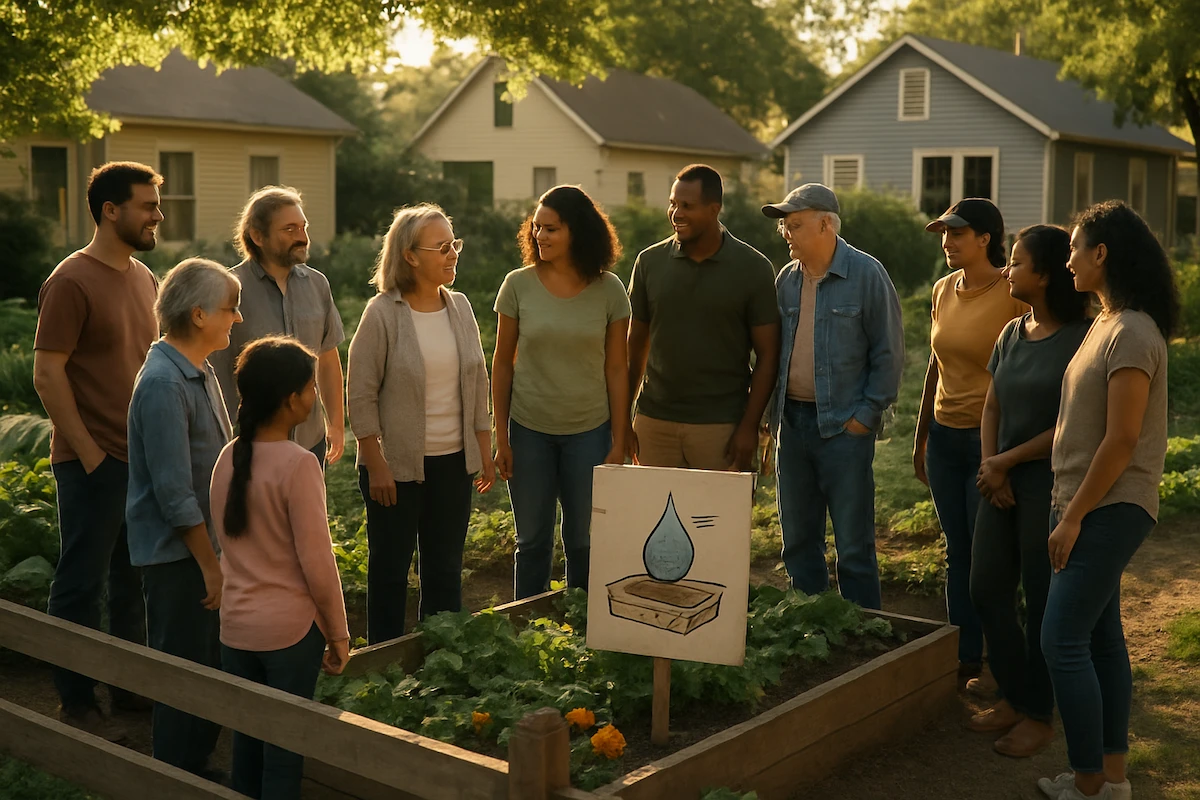
Local groups can start water-saving projects by picking one or two simple habits, spreading the word, and building from there. It really is that easy.
But the thing is, most groups don’t know where to begin. They want to help, but the options feel overwhelming. Should you focus on taps? Gardens? And how do you get others on board without sounding preachy?
As a Brisbane-based water filtration company, we’ve seen community groups give up before they even start because of this confusion. But we’re about to change that for you.
In this article, you’ll learn simple indoor habits your group can promote, water-efficient fixtures worth installing, outdoor tips for gardens and rainwater, and ways to protect local freshwater sources.
Keep reading to learn water-saving ideas for your community.
What Are Water-Saving Ideas and Why Should Local Groups Care?
Water-saving projects are basically everyday actions that cut down how much water you use at home, work, or shared spaces. For example, taking shorter showers, fixing leaky taps, or only running the washing machine when it’s full. Small changes like these add up fast.
And you know what? Local groups have more power than they realise. One person turning off the tap while brushing their teeth saves a bit. But when fifty households are doing the same, that actually helps protect your local water supply.
Starting this type of community project also shows local councils and businesses that your community genuinely cares about reducing waste. And once that momentum builds, other projects like rain tanks, native gardens and water-efficient upgrades for community halls become much easier to pull off.
Save Water With Simple Indoor Habits
Indoor habits cost nothing to adopt and deliver instant results. That’s why they’re the perfect starting point for any community group looking for water-saving tips. The best part is, you don’t need any tools or money to get started. Just a few tweaks to how you use the tap, shower, and washing machine are enough.
Let’s look at two easy wins your group can promote straight away.
1. Turn Off the Tap While Brushing Your Teeth
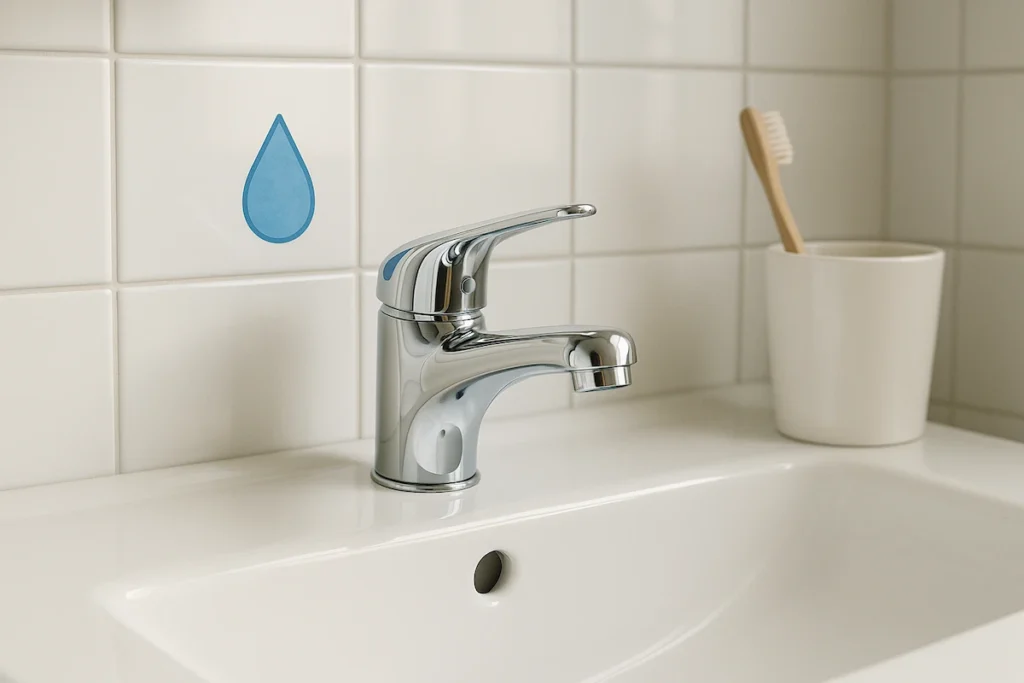
Believe it or not, a running tap wastes about 12 litres of water every single minute. That’s a lot going down the sink for no reason. So make it a habit to turn off the tap every time, even while you’re brushing your teeth.
Project Idea: Print some reminder stickers and hand them out to members. They can pop them near the bathroom sink at home. It’s a small nudge, but it works.
You could even pair this with a shower timer challenge to save even more. Each member tracks their shower time for a week and tries to shave off a minute or two.
2. Run Full Loads Before Starting the Machine
Half-empty washing machines and dishwashers use almost the same amount of water as full loads. So every time you run a half load, you’re wasting water for no good reason.
Based on our research, waiting for a full load saves anywhere from 10 to 30 litres, depending on your appliance. And if you’ve got a water-efficient washing machine with more stars on the rating label, you’ll save even more.
This tip works for washing dishes, too. Instead of rinsing plates under a running tap, fill a washing-up bowl and do them all at once. It’s the same idea, but with less waste.
Helpful Tip: Share this in your group’s newsletter or chat group. Once families start thinking twice before hitting that start button, the savings add up fast across the whole community.
Which Fixtures Help Reduce Water Usage?
In our experience, adding fixtures like dual flush toilets makes a noticeable difference in how much water your group uses each month. Also, fixing your dripping taps can stop thousands of litres from sneaking down the drain each year.
So get these two sorted first.
1. Install a Dual Flush Toilet
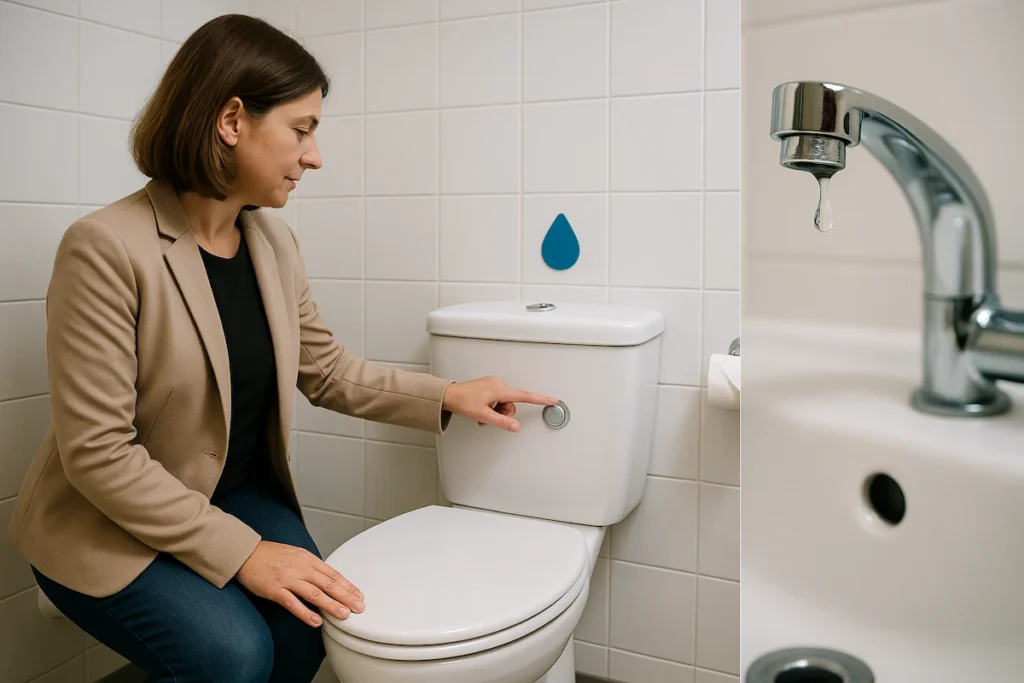
A dual flush toilet gives users two buttons. One for a half flush, one for a full flush. Simple, right? But that small choice at the toilet bowl saves litres every single visit.
Here’s how it works: A standard toilet uses around 18 litres per flush. Meanwhile, dual flush models use roughly 4.5 litres for a full flush. Over a year, that difference adds up to thousands of litres per household.
Fortunately, many Australian councils offer rebates for installing water-efficient toilets in community buildings. Water Corporation even offers customers up to $400 off when replacing old single flush systems with dual flush models.
So before your group spends a dollar, check what’s available in your area. You might get the upgrade at half price or less.
2. Fix Dripping Taps to Lower the Drop Count
Ever noticed that annoying drip-drip sound from an old tap? That one dripping tap is also wasting thousands of litres of water every year. We’ve seen it more times than we can count.
Try this old trick to check for a hidden leak: Add a few drops of food colouring to your toilet cistern and wait a few minutes. If colour shows up in the bowl without flushing, you’ve got a leak.
Thankfully, fixing drips won’t cost you a huge amount. You’ll only just a new washer from the hardware store and ten minutes of your time. If water pressure is low, that could also signal leaks hiding in your pipes.
Here’s a fun idea: Organise a “fix-it day” where handy members repair taps across several households in one afternoon. This way, what starts as a boring chore becomes a proper community event. Plus, you’ll stop thousands of litres from going down the drain.
After getting your indoor fixtures in order, let’s step outside and look at how gardens and rainwater tanks can save even more.
Can Native Plants and Mulch Lower Outdoor Water Use?
Yes, native plants need far less water than exotic varieties. And mulch helps soil hold moisture for longer between waterings.
Native species have spent thousands of years adapting to Australia’s dry conditions. So they don’t need constant watering to survive. On the flip side, exotic plants from wetter climates get thirsty fast and push your water use through the roof.
And mulch does the heavy lifting while you sit back with a cuppa. A thick layer of around 5 to 10 centimetres reduces evaporation loss and keeps the soil cool. Your plants stay happy, and you water your garden less often.
Now here’s a project idea for your group.
Host a planting day at a local park, school, or community hall. Everyone brings a few native plants, and you spend the morning getting them in the ground. It’s social, it’s low-cost, and it spreads native gardens across your neighbourhood.
If you’re not sure which plants suit your area, we recommend checking with your local council or nursery. In Western Australia and other dry regions, grevilleas, kangaroo paws, and bottlebrushes are popular picks. They look great, attract native birds, and barely need any extra water once established.
How Can Rainwater Tanks Support Group Water-Saving Goals?
Rainwater tanks give your group a free water source for gardens, cleaning, and even toilet flushing. They capture water from rooftops that would otherwise rush straight into storm drains. That’s free water going to waste if you don’t catch it.
The collected rainwater is perfect for:
- Watering your garden
- Washing cars
- Topping up the toilet cistern
- Supplying community buildings (like scout halls or sports clubs)
- Rinsing outdoor gear after events
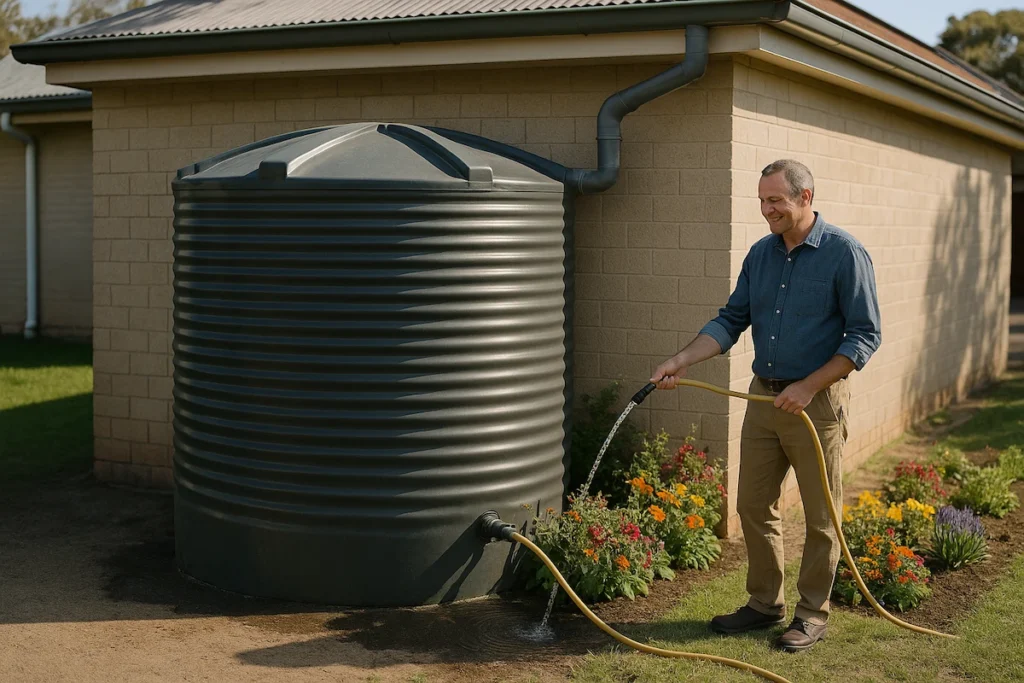
Basically, rainwater handles anything that doesn’t need drinking-quality water. This gives your community a reliable backup supply, especially during dry spells when water becomes scarce and bills start creeping up.
Useful Tip: Check your local council’s rules before installing a rainwater tank or water butt. Some areas have size limits or placement guidelines, so it’s worth a quick call to avoid any surprises later.
What Steps Protect Freshwater Sources by Reducing Water Waste?
Now that you have practical water-saving ideas, it’s worth understanding why all this effort is actually necessary.
Every litre you save at home means less pressure on local rivers, dams, and underground aquifers. These freshwater sources supply drinking water to entire communities. And they don’t refill overnight. Some take years or even decades to recover after heavy use.
Let’s be real here. Climate change is making things harder. Droughts are lasting longer, and rainfall patterns keep shifting. The less water we waste now, the more we protect for future generations.
Also, reducing water waste shrinks your carbon footprint. Pumping, treating, and heating water all use energy. So when your group cuts back on water usage, you’re also cutting back on energy use. That’s two wins from one habit.
Your community doesn’t need to solve the whole water crisis alone. But every drop you save helps keep freshwater sources healthy for everyone who comes next.
Your Community’s Water-Saving Journey Starts Today
Starting a water-saving project might not be everyone’s cup of tea. But as you’ve seen, it’s easier than you think. When you build up a few simple habits, some low-cost fixture upgrades, and a group willing to spread the word, it becomes a natural habit before you know it.
The tips we’ve covered can help your group save water, cut down on energy bills, and lower those water bills, too. Plus, you’ll be doing your bit to protect local freshwater sources for years to come.
So gather your group, pick one or two ideas from this list, and get started. Every tap turned off, every full load waited for, every garden planted with natives adds up.
Your community has the power to save thousands of litres. And it all starts with that first small step. For more tips and guidance, get in touch with our team at Easy510.