shared water systems

A Basic Guide to Shared Water Use

Shared water is a system where multiple homes or units in a property connect to one main meter instead of having separate meters for each residence. Think of it like apartments, townhouses, and complexes across Australia where one water meter tracks everyone’s usage. You’ve probably seen this setup in most rental properties or body corporate buildings.

Here’s the thing: without understanding how shared water works, you’d need to figure out billing splits, meter readings, and cost divisions on your own. That sounds like a recipe for disputes, right?

In this guide, we’ll explain how shared water billing actually works and why your property needs a fair system. You’ll also learn how to split costs based on usage, agreements, and property management options.

Let’s start with the basics.

What Is Shared Water and How Does It Work?

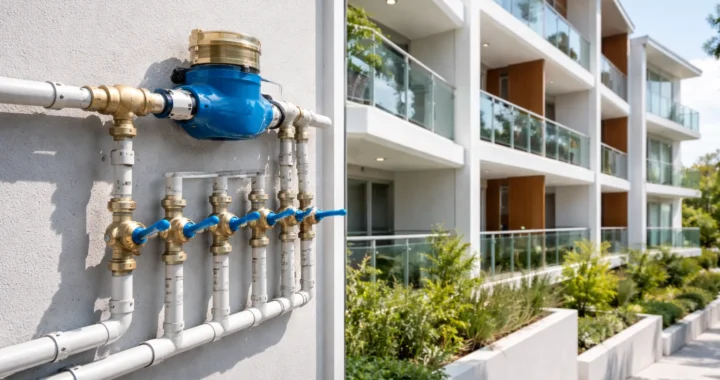
Shared water is a communal setup where one meter handles water tracking for multiple units in an apartment or property. It works by measuring total consumption, then dividing that bill among residents based on an agreed method.

Now follow the foundational setup to get a clearer picture of the system.

The Basics of Shared Water Supply
The Basics of Shared Water Supply

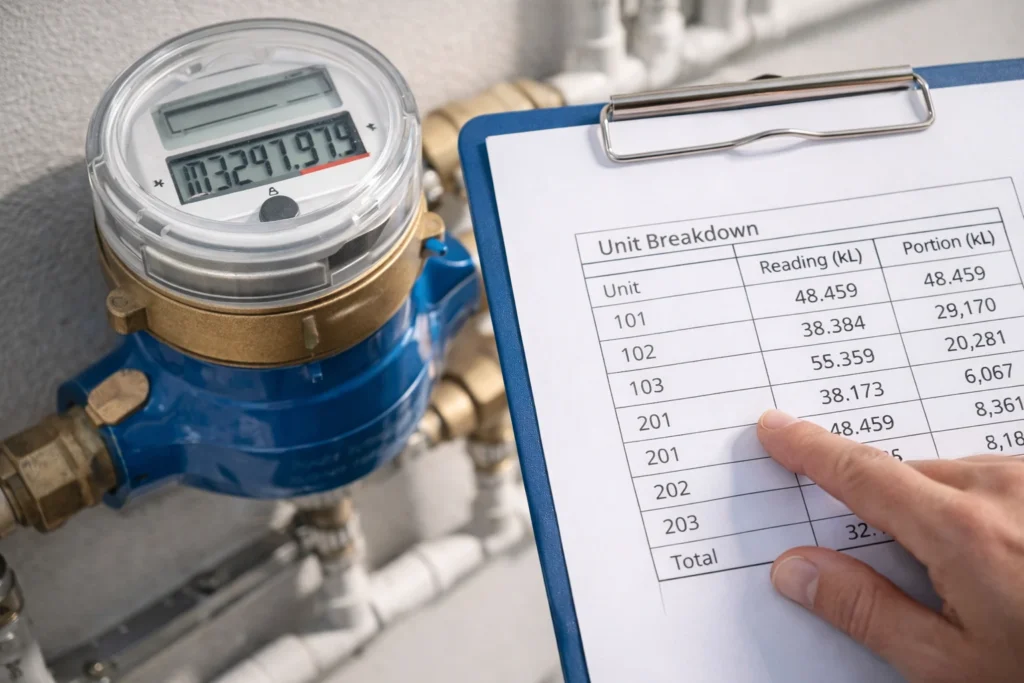
You might be wondering how the shared water meter concept plays out in real life. Well, in apartment buildings, duplexes, and townhouse complexes, one meter tracks total water use for all residents.

From there, the property owner or body corporate manages the system and decides how to split costs among tenants. In practice, some divide bills equally, while others base it on residence size or number of people.

Who Manages Your Water Use?

Property managers, body corporates, or landlords oversee shared water systems and handle billing with water suppliers. When it comes to tracking usage, some properties go a step further. They install sub-meters for individual units to measure water use more accurately. These individually metered systems give owners better data about who’s using what.

However, other properties divide costs equally, which works when usage is similar. So, you should check your tenancy agreement to understand your property’s management structure. Also, regulations vary across Australian states. For specific rules, contact your local council, state water authority, or consumer protection agency.

Understanding Service Charges and Water Bills

Water bills for shared systems can feel confusing at first, especially when you can’t see your individual usage. They include usage charges based on how much water is consumed, and a fixed service charge for infrastructure maintenance.

Those service charges also cover meter reading, pipe maintenance, and connection fees. These costs stay the same no matter how much water you use. So when you check your bill, look for both line items to make sure everything adds up.

Splitting the Water Bill: What You Need to Know

When splitting water bills, you need to know how suppliers calculate charges, which cost division method your building uses, and what protects you from unfair billing. And the best part is, once you understand those splits, you can spot unfair charges before they drain your wallet. With this knowledge, you can also see what you pay each month and how fair the system feels to all residents.

Here’s how billing works in shared systems.

How Water Charges Are Calculated?

How Water Charges Are Calculated?

Water charges follow a basic formula: Total Kilolitres × Rate Per Kilolitre = Property’s Water Bill. For example, 50 kilolitres at $2.50 per kilolitre equals $125, then split among residents. Yet the rate per kilolitre can vary widely, depending on your local supplier.

To explain it further, your council or water authority usually sets these prices, and they can increase based on how much the property uses overall. Beyond that, some regions also add sewerage charges that match water consumption. So even if your building’s usage stays steady, rate changes can affect what you pay each billing period.

Fair Ways to Divide Costs Among Users

Sub-metering gives the most accurate division by tracking each unit’s actual consumption. That’s because Individual meters show exactly who used what, which eliminates disputes about fair shares. Based on our observations across multiple community water management systems, sub-metering reduces billing disputes by nearly 70%.

Of course, not every property wants to invest in sub-meters. In these cases, equal splits work when usage is similar across all units, but can feel unfair if some residents use way more than others.

That’s where middle-ground options come in. The most common middle-ground options are square footage or occupancy-based divisions, which divide the bill according to property size and resident numbers. In this way, they provide fairer costs than equal splits without expensive meters.

Common Disputes and How to Avoid Them

Disagreements arise when billing seems unfair or when meters malfunction. And yes, we’ve all seen that blame game unfold at building meetings.

Fortunately, clearly written agreements before you move in prevent most of the conflicts. These agreements need to spell out the billing method, payment schedules, and consequences for non-payment. When everyone knows the rules up front, there’s less room for disputes.

After that, regular meter checks and open communication help catch problems early. Without this, small issues become bigger disputes when left unaddressed.

Making Shared Water Systems Run Smoothly for Everyone
Making Shared Water Systems Run Smoothly for Everyone

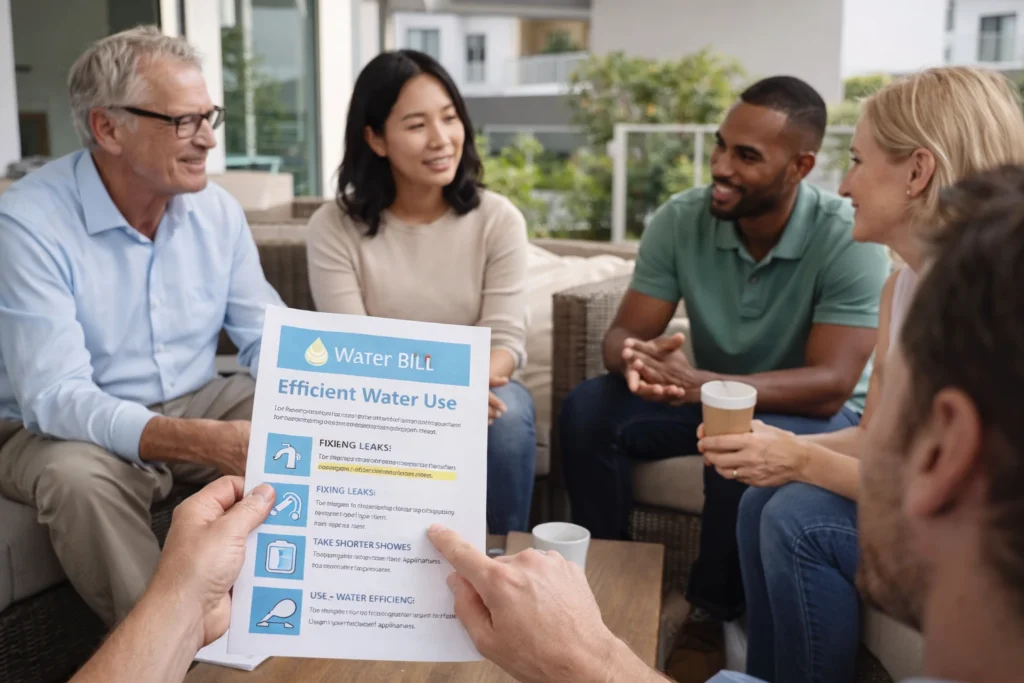
Shared water systems run smoothly when residents understand water efficiency, protect the supply, and follow clear agreements. These three elements keep costs fair and prevent most conflicts in multi-unit properties.

We’ll walk through each part step by step for clarity.

Simple Tips to Improve Water Efficiency

Fix leaky taps immediately since even small drips waste litres daily and increase bills for everyone. Those small leaks add up faster than you’d think.

And that’s where things get interesting. Simple habits like shorter showers, full washing loads, and turning taps off while brushing also reduce overall consumption. For even bigger savings, WaterSense-labeled fixtures like low-flow showerheads can save the average family 700 gallons of water per year without major lifestyle changes. That’s quite impressive, isn’t it?

Protecting Shared Water for Your Community

When everyone uses water responsibly in a shared water system, it protects the supply for the whole community. This conservation also reduces strain on local water resources and helps the environment. Remember, small actions create lasting change.

What does that look like? As you fix leaks and use efficient fixtures, these actions save money and protect clean water access for current and future residents. After all, in shared systems, every person’s habits affect everyone else’s bills and the building’s water supply.

Setting Ground Rules That Actually Stick

Written agreements that spell out usage guidelines, billing methods, and dispute processes solve most conflicts in shared systems. Honestly, nobody enjoys discussing billing rules upfront, but these conversations prevent headaches later.

Through our practical knowledge working with shared water systems, written agreements resolve 8 out of 10 conflicts. Also, regular check-ins help address concerns early.

Ready to Make Shared Water Easier?

Shared water systems often create confusion around billing and cost division. That’s why residents face disputes over unfair charges and unclear usage tracking. Thankfully, there are proven strategies to make these systems fair, transparent, and conflict-free for everyone in your building.

This article explained how water charges are calculated, fair cost-division methods, and common billing disputes. You also learned practical water efficiency tips, ways to protect community water resources, and how to establish agreements that prevent conflicts.

Building on these strategies, Easy510 supports communities worldwide with better water access and sustainable management solutions. Visit Easy510 to learn how we help create cleaner, fairer systems.
water awareness

How to Build Water Awareness in Schools

You can build water awareness in schools by conducting a water audit, forming a task force, and choosing an age-appropriate curriculum. You can also embed it into permanent school operations to raise awareness about water.

According to WorldAtlas, Australia is the driest inhabited continent despite being surrounded by beaches and backyard pools. So students must understand both water scarcity and water safety issues. And we, Easy510, have spent 25 years supporting water education and initiatives.

In this guide, we’ll cover:

  • The meaning of water awareness in schools
  • Why Australian schools desperately need these programmes
  • How to build a programme from scratch
  • Tips on keeping a programme running year after year

Ready? Let’s get started.

What Is Water Awareness in Schools?

What Is Water Awareness in Schools?

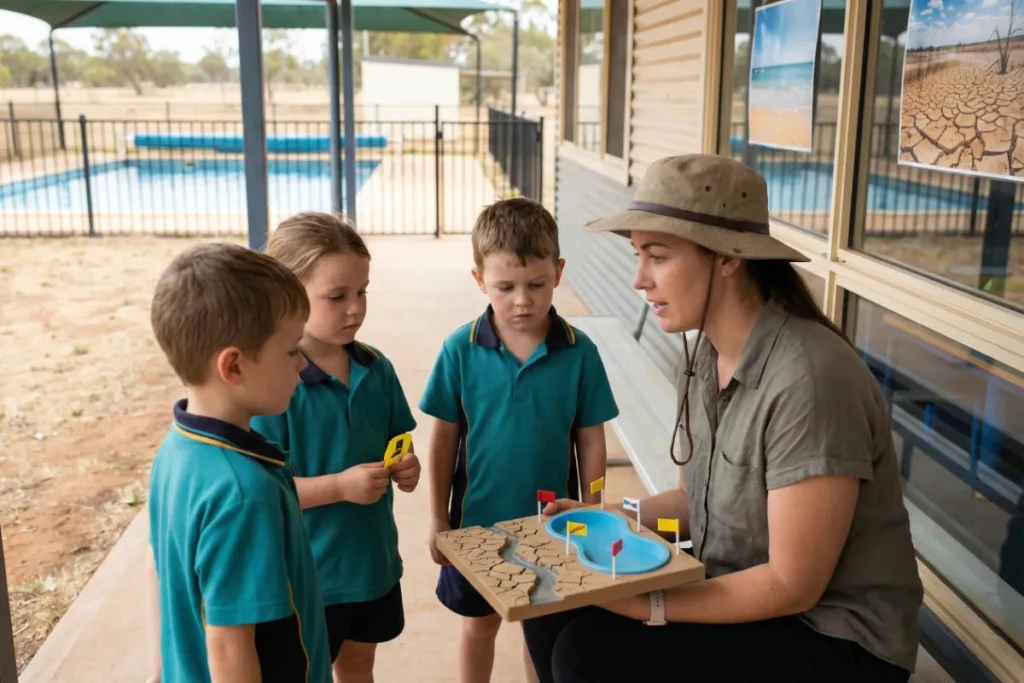
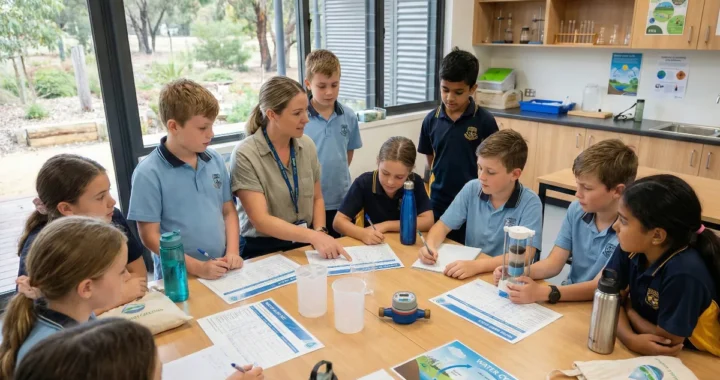
Water awareness in schools is an educational approach that teaches students about conservation, safety, and the value of water through sessions on water conservation and the water cycle. Kids take these lessons home with them, where they influence their entire family’s water habits.

A complete water awareness programme includes the following parts:

  • Water Conservation: Students learn about water scarcity, drought impacts, and why sustainable practices are important in this stage. Specifically, schools teach practical techniques kids can use at home, like shorter showers and fixing dripping taps.
  • Water Safety and Drowning Prevention: This supervision-focused part teaches children how to stay safe around water. They also get to know about the ways to recognise water hazards at beaches and pools, and why they should never swim alone.
  • Clean Drinking Water Access: Schools make sure students have access to clean drinking water all day so they can stay healthy. They set up water stations that help children choose water instead of sugary drinks. 
  • The Water Cycle: In this part of the programme, students learn how rain becomes drinking water, which also builds awareness of how watersheds link together. Plus, it helps them see the ways pollution spreads and understand the importance of rainfall, groundwater, and local supply working as one system.
  • Cross-Curriculum Integration: Water fits naturally into many subjects, so teachers can teach measurement, data, and research while students apply these skills. For example, Year 5 classes could run an anti-water waste campaign by making posters, writing short persuasive pieces, and creating simple social posts.
  • Building Lifelong Habits: As we mentioned previously, children bring water awareness home and influence their parents’ daily habits. So when you teach a 7-year-old about water waste, you’re teaching their whole family.

These lessons help whole communities grow more responsible in how they use and protect water.

Why Do Schools Need Water Awareness Programmes?

Why Do Schools Need Water Awareness Programmes?

Schools need water awareness programmes because Australia’s water scarcity keeps getting worse. They’re also important because young children still face serious drowning risks. A good programme helps kids notice water hazards early and understand how to stay safe.

We’ll now dig deeper into these needs.

Australia Faces Increasing Water Scarcity

We discussed earlier that Australia is the driest inhabited continent with frequent droughts and shortages. In particular, the Brisbane and Queensland regions face water restrictions during extended dry periods (which unsettles even well-prepared households).

But wait, there’s more. Climate change also worsens the water scarcity situation in Australia. That’s why it’s important to teach students about water conservation. When these students become adults, they use water responsibly because they truly understand its value.

And the earlier you teach the students about it, the better. A study published on ScienceDirect, “Long-term impact evaluation of early childhood conditions When only short-term outcomes are available,” found that early behaviours often become long-term habits because repeating the same actions over time “trains” the brain to do them automatically.

Drowning Remains a Leading Child Death Cause

Did you know that drowning is the leading cause of accidental death for children aged one to four? Yes, it’s true.

According to the Queensland Family and Child Commission in their QFCC Report on Child Deaths 2022-23, Chapter 4, drowning was the leading cause of death for Australian children aged 1-4 years over the most recent five-year reporting period.

Unfortunately, we’ve all seen how backyard pools, beaches, and bath time can be serious dangers for naturally curious toddlers. And it can happen so quickly because a two-year-old can drown in less than 60 seconds, often without making a sound.

Water safety skills and awareness can prevent these tragic deaths in Australian communities.

How Do You Build a Water Awareness Programme?

How Do You Build a Water Awareness Programme?

You build a water awareness programme by starting with a school water audit and forming a task force. After that, you choose a curriculum suited to each age group so the plan feels practical and easy to build on.

Here’s how to build a long-lasting programme:

  1. School Water Audit: You need to walk through the school to identify where water is used and potentially wasted. Check taps, toilets, and fountains for leaks that waste litres daily. You should also survey students about their current water knowledge and practices.
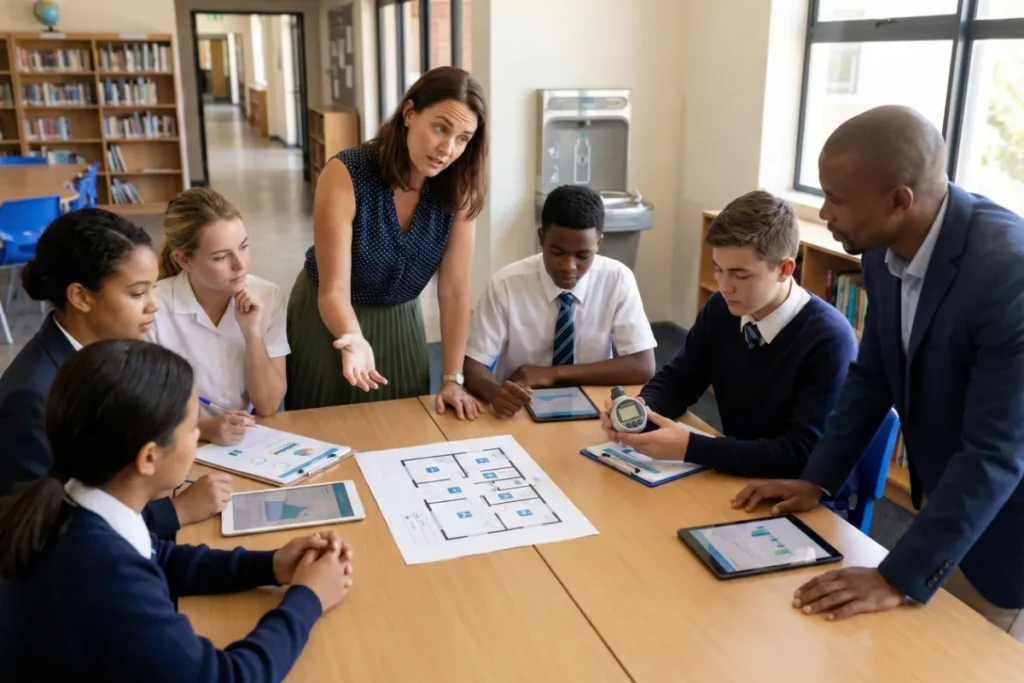
  2. Task Force Formation: It’s important to recruit teachers, parents, students, and community members for your planning committee. Include diverse perspectives to design programmes that work for every age group. Plus, you must assign clear roles like curriculum lead and activities coordinator.
  3. Age-Appropriate Curriculum: Different age groups engage with water in different ways. More precisely, younger students need clear rules, while middle years enjoy hands-on cycle concepts. However, older students respond well to analysing data and leading campaigns.
  4. Funding and Partnerships: Don’t forget to contact local water utilities, which often provide free educational resources and speakers. For example, Brisbane councils offer grants for school water conservation initiatives. And as a first step, you can partner with organisations like Royal Life Saving for drowning prevention support.
  5. Teacher Training: Professional development is important for teachers to feel capable of delivering water safety lessons. Like, you can share ready-made lesson plans and connect teachers with trained instructors who can co-teach initial sessions.
  6. Pilot Activities: Start with simple water experiments that make complicated ideas easy to see. Try activities like taste tests or small leak checks. These tasks connect well because they help students measure school water use and calculate potential savings.
  7. School-Wide Initiatives: The best thing about simple tools like tap timers and toilet labels is the way these tools engage students in detecting leaks and water waste. An approach like this builds clear daily routines and helps the whole school clearly see and understand its water-use progress.
  8. Parent Engagement: Family-based challenges extend water education outside the classroom. And it’s helpful because through this shared effort, water-saving habits spread more easily from school into the wider community.
  9. Managing Time Constraints: Integrate water topics into the existing curriculum rather than adding separate lessons. For instance, you may encourage using 10-minute water activities as warm-ups for science or maths.
  10. Measuring Behaviour Change: Remember to track clear actions like students bringing reusable bottles, and check if family habits change through short surveys. You can also compare school water bills before and after the programme to see real progress.

In the end, the programme will guide children to think about water in daily life.

How Do You Keep Water Programmes Running Long-Term?

How Do You Keep Water Programmes Running Long-Term?

You keep water programmes running through the permanent integration of fundamental lessons into your curriculum. You also refresh activities each year to keep students engaged.

Too many schools launch water programmes with enthusiasm, only to watch them fade after a year. But the ways we suggested here to maintain a steady focus will make the programme feel like a normal part of a student’s school life.

Let’s get into more details about these approaches.

Permanent Curriculum Integration

What makes water safety education so easy to use is that it blends into normal classwork without much effort. New teachers usually get the hang of it within their first few weeks (honestly, it makes the start feel less heavy, too).

But if you want to make things easier, we recommend building a small resource library. This way, everyone will know where to find what they need. Better yet, many schools observe a yearly water awareness week, which often becomes a fun tradition that students look forward to.

And when the lessons are updated each year with fresh Australian water data, the programme stays relevant and keeps going strong even as staff or priorities change.

Annual Activity Refresh and Celebration

How do you keep students interested year after year? One easy way is to switch up the hands-on activities so they’re always trying something new. You can also make World Water Day in March feel special with assemblies or community events.

To keep that momentum going, you can arrange small rewards for classes that meet their water-saving goals. Besides, if you have newsletters or social media, share information about these positive achievements. It’ll allow families to see the progress and celebrate it, too.

Last but not least, invite older students for a talk on how these lessons shaped their habits at home. Listening to their story will make younger kids feel inspired to do the same.

Pro tip: Encourage teachers to use local water issues as real examples during class discussions.

Create Lasting Water Habits in Your Students

We’ve reached the end of our guide to building water awareness in Australian schools. You now see how these programmes support conservation, prevent drowning, and help students build habits that keep them safe.

At Easy510, we’ve supported water education and conservation efforts for more than 25 years. Contact us today to learn how we can help your school make water awareness a lasting priority.

How Local Groups Can Start Water Saving Projects

How Local Groups Can Start Water Saving Projects

Local groups can start water-saving projects by picking one or two simple habits, spreading the word, and building from there. It really is that easy.

But the thing is, most groups don’t know where to begin. They want to help, but the options feel overwhelming. Should you focus on taps? Gardens? And how do you get others on board without sounding preachy?

As a Brisbane-based water filtration company, we’ve seen community groups give up before they even start because of this confusion. But we’re about to change that for you.

In this article, you’ll learn simple indoor habits your group can promote, water-efficient fixtures worth installing, outdoor tips for gardens and rainwater, and ways to protect local freshwater sources.

Keep reading to learn water-saving ideas for your community.

What Are Water-Saving Ideas and Why Should Local Groups Care?

Water-saving projects are basically everyday actions that cut down how much water you use at home, work, or shared spaces. For example, taking shorter showers, fixing leaky taps, or only running the washing machine when it’s full. Small changes like these add up fast.

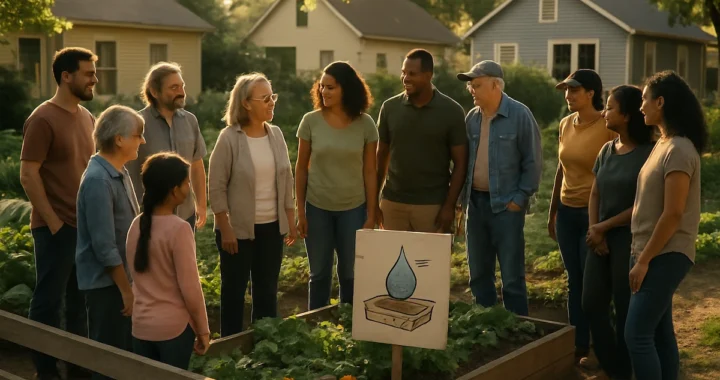
And you know what? Local groups have more power than they realise. One person turning off the tap while brushing their teeth saves a bit. But when fifty households are doing the same, that actually helps protect your local water supply.

Starting this type of community project also shows local councils and businesses that your community genuinely cares about reducing waste. And once that momentum builds, other projects like rain tanks, native gardens and water-efficient upgrades for community halls become much easier to pull off.

Save Water With Simple Indoor Habits

Indoor habits cost nothing to adopt and deliver instant results. That’s why they’re the perfect starting point for any community group looking for water-saving tips. The best part is, you don’t need any tools or money to get started. Just a few tweaks to how you use the tap, shower, and washing machine are enough.

Let’s look at two easy wins your group can promote straight away.

1. Turn Off the Tap While Brushing Your Teeth

Save Water With Simple Indoor Habits

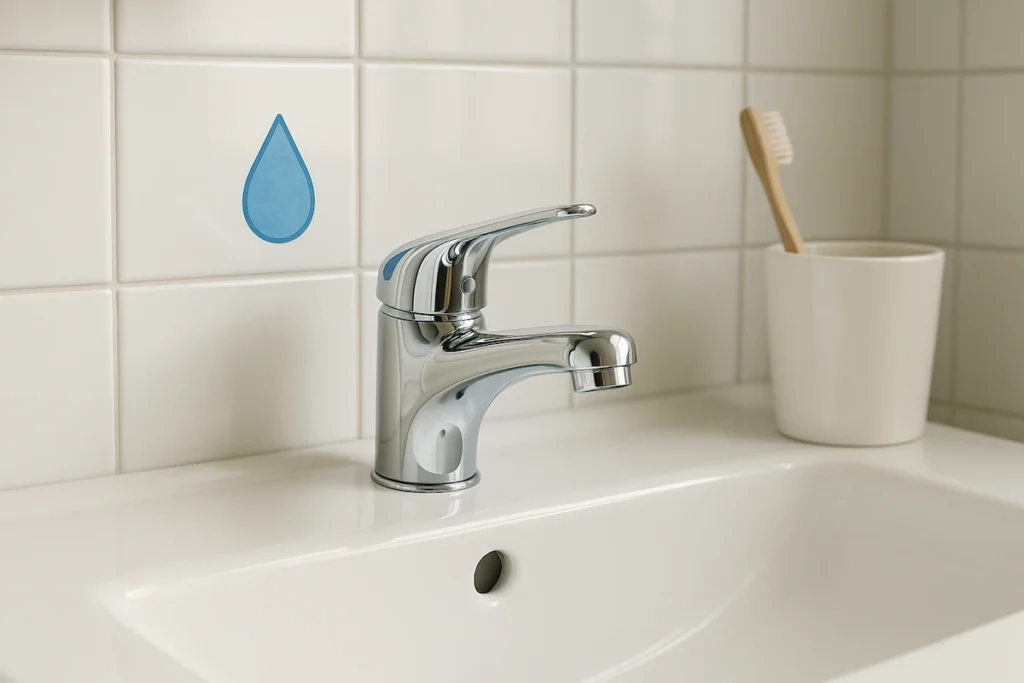
Believe it or not, a running tap wastes about 12 litres of water every single minute. That’s a lot going down the sink for no reason. So make it a habit to turn off the tap every time, even while you’re brushing your teeth.

Project Idea: Print some reminder stickers and hand them out to members. They can pop them near the bathroom sink at home. It’s a small nudge, but it works.

You could even pair this with a shower timer challenge to save even more. Each member tracks their shower time for a week and tries to shave off a minute or two.

2. Run Full Loads Before Starting the Machine

Half-empty washing machines and dishwashers use almost the same amount of water as full loads. So every time you run a half load, you’re wasting water for no good reason.

Based on our research, waiting for a full load saves anywhere from 10 to 30 litres, depending on your appliance. And if you’ve got a water-efficient washing machine with more stars on the rating label, you’ll save even more.

This tip works for washing dishes, too. Instead of rinsing plates under a running tap, fill a washing-up bowl and do them all at once. It’s the same idea, but with less waste.

Helpful Tip: Share this in your group’s newsletter or chat group. Once families start thinking twice before hitting that start button, the savings add up fast across the whole community.

Which Fixtures Help Reduce Water Usage?

In our experience, adding fixtures like dual flush toilets makes a noticeable difference in how much water your group uses each month. Also, fixing your dripping taps can stop thousands of litres from sneaking down the drain each year.

So get these two sorted first.

1. Install a Dual Flush Toilet

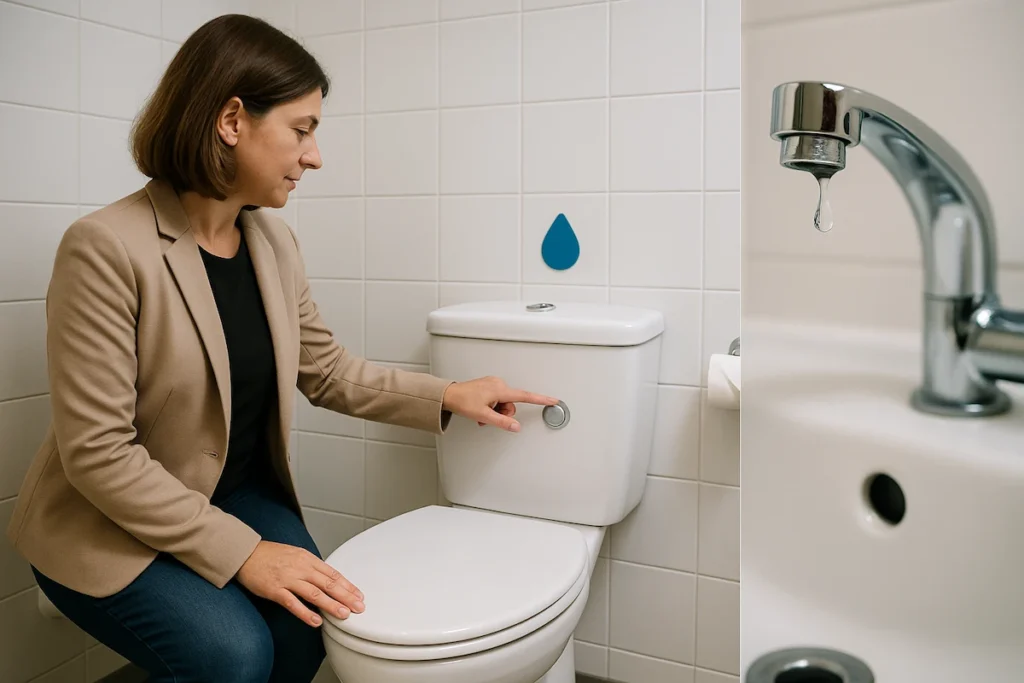
A dual flush toilet gives users two buttons. One for a half flush, one for a full flush. Simple, right? But that small choice at the toilet bowl saves litres every single visit.

Here’s how it works: A standard toilet uses around 18 litres per flush. Meanwhile, dual flush models use roughly 4.5 litres for a full flush. Over a year, that difference adds up to thousands of litres per household.

Fortunately, many Australian councils offer rebates for installing water-efficient toilets in community buildings. Water Corporation even offers customers up to $400 off when replacing old single flush systems with dual flush models.

So before your group spends a dollar, check what’s available in your area. You might get the upgrade at half price or less.

2. Fix Dripping Taps to Lower the Drop Count

Ever noticed that annoying drip-drip sound from an old tap? That one dripping tap is also wasting thousands of litres of water every year. We’ve seen it more times than we can count.

Try this old trick to check for a hidden leak: Add a few drops of food colouring to your toilet cistern and wait a few minutes. If colour shows up in the bowl without flushing, you’ve got a leak.

Thankfully, fixing drips won’t cost you a huge amount. You’ll only just a new washer from the hardware store and ten minutes of your time. If water pressure is low, that could also signal leaks hiding in your pipes.

Here’s a fun idea: Organise a “fix-it day” where handy members repair taps across several households in one afternoon. This way, what starts as a boring chore becomes a proper community event. Plus, you’ll stop thousands of litres from going down the drain.

After getting your indoor fixtures in order, let’s step outside and look at how gardens and rainwater tanks can save even more.

Can Native Plants and Mulch Lower Outdoor Water Use?

Yes, native plants need far less water than exotic varieties. And mulch helps soil hold moisture for longer between waterings.

Native species have spent thousands of years adapting to Australia’s dry conditions. So they don’t need constant watering to survive. On the flip side, exotic plants from wetter climates get thirsty fast and push your water use through the roof.

And mulch does the heavy lifting while you sit back with a cuppa. A thick layer of around 5 to 10 centimetres reduces evaporation loss and keeps the soil cool. Your plants stay happy, and you water your garden less often.

Now here’s a project idea for your group.

Host a planting day at a local park, school, or community hall. Everyone brings a few native plants, and you spend the morning getting them in the ground. It’s social, it’s low-cost, and it spreads native gardens across your neighbourhood.

If you’re not sure which plants suit your area, we recommend checking with your local council or nursery. In Western Australia and other dry regions, grevilleas, kangaroo paws, and bottlebrushes are popular picks. They look great, attract native birds, and barely need any extra water once established.

How Can Rainwater Tanks Support Group Water-Saving Goals?

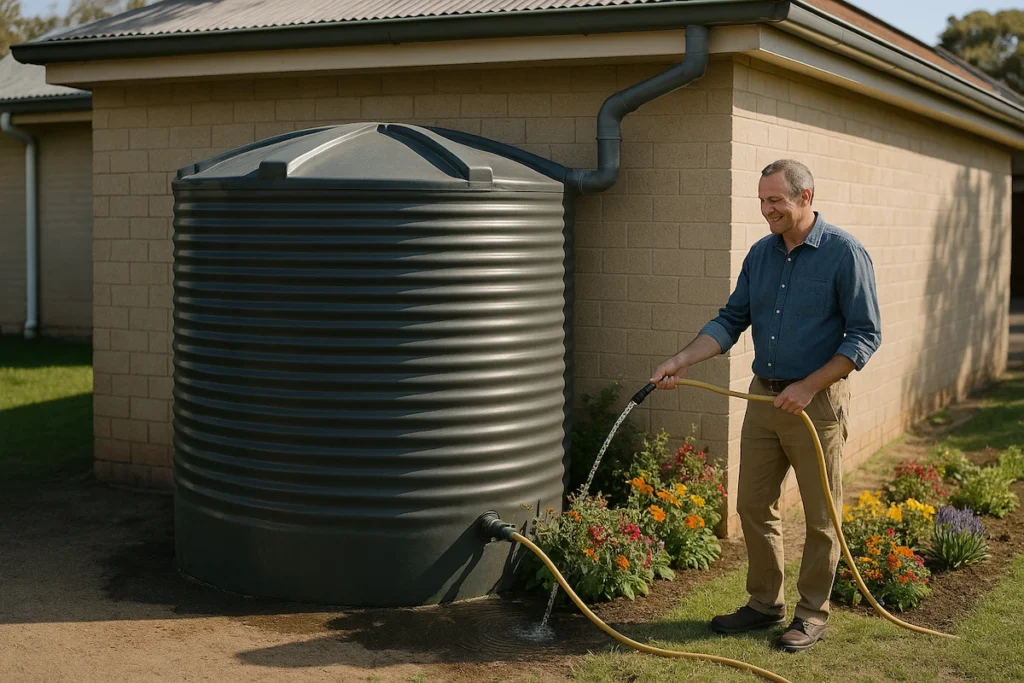
Rainwater tanks give your group a free water source for gardens, cleaning, and even toilet flushing. They capture water from rooftops that would otherwise rush straight into storm drains. That’s free water going to waste if you don’t catch it.

The collected rainwater is perfect for:

  • Watering your garden
  • Washing cars
  • Topping up the toilet cistern
  • Supplying community buildings (like scout halls or sports clubs)
  • Rinsing outdoor gear after events
Rainwater Tanks Support Group Water-Saving Goals

Basically, rainwater handles anything that doesn’t need drinking-quality water. This gives your community a reliable backup supply, especially during dry spells when water becomes scarce and bills start creeping up.

Useful Tip: Check your local council’s rules before installing a rainwater tank or water butt. Some areas have size limits or placement guidelines, so it’s worth a quick call to avoid any surprises later.

What Steps Protect Freshwater Sources by Reducing Water Waste?

Now that you have practical water-saving ideas, it’s worth understanding why all this effort is actually necessary.

Every litre you save at home means less pressure on local rivers, dams, and underground aquifers. These freshwater sources supply drinking water to entire communities. And they don’t refill overnight. Some take years or even decades to recover after heavy use.

Let’s be real here. Climate change is making things harder. Droughts are lasting longer, and rainfall patterns keep shifting. The less water we waste now, the more we protect for future generations.

Also, reducing water waste shrinks your carbon footprint. Pumping, treating, and heating water all use energy. So when your group cuts back on water usage, you’re also cutting back on energy use. That’s two wins from one habit.

Your community doesn’t need to solve the whole water crisis alone. But every drop you save helps keep freshwater sources healthy for everyone who comes next.

Your Community’s Water-Saving Journey Starts Today

Starting a water-saving project might not be everyone’s cup of tea. But as you’ve seen, it’s easier than you think. When you build up a few simple habits, some low-cost fixture upgrades, and a group willing to spread the word, it becomes a natural habit before you know it.

The tips we’ve covered can help your group save water, cut down on energy bills, and lower those water bills, too. Plus, you’ll be doing your bit to protect local freshwater sources for years to come.

So gather your group, pick one or two ideas from this list, and get started. Every tap turned off, every full load waited for, every garden planted with natives adds up.

Your community has the power to save thousands of litres. And it all starts with that first small step. For more tips and guidance, get in touch with our team at Easy510.