
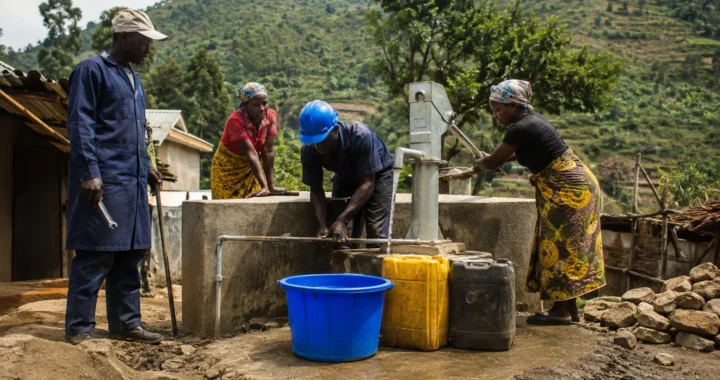
Community ownership is what makes water projects last. That’s because when local people plan, manage, and maintain their own water infrastructure, systems survive. Without that effort, even well-funded projects collapse once outside organisations pack up and leave.
We’ve spent nearly 25 years watching donor-funded water projects fail in low-income countries across Africa, Asia, and Latin America. Outside teams build and leave without training anyone. When that happens, water services rarely last more than a few years. Every single one of those residents deserved better than that.
So we put this together for you. We’ll cover why top-down projects keep failing, what real community ownership looks like, and how sustainable water access gets built to last.
You won’t want to skip this one.
Top-Down Water Projects: Why They Keep Falling Short
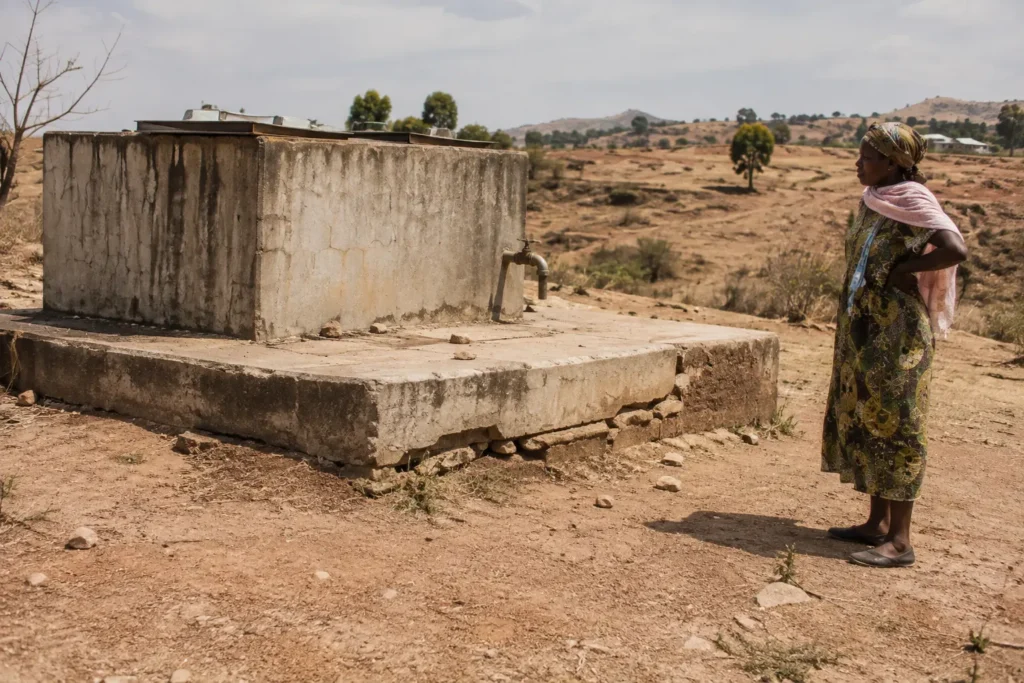
Top-down water projects fall short because they’re built around assumptions. Put simply, boardrooms design infrastructure projects far from the communities they’re meant to serve. It’s like handing someone a car with no keys. It just sits there and rusts.
The breakdown usually starts in one of three places:
- No Local Input: Nobody surveys the village before the diggers arrive. The assumption is that one solution fits all, but no two communities have the same water needs.
- No Handover Plan: Outside organisations leave without training anyone to maintain the system. A minor fault six months later and the whole system goes down with no one to fix it.
- Communities Pay the Price: When systems fail, people face repair costs they can’t cover. From there, children miss school collecting water from rivers, women lose working hours, and the wider economic cost to these residents is significant.
Every one of these problems has the same root cause: the community was treated as an afterthought. If you’ve ever wondered what the alternative looks like, you’re about to find out.
What Does a Community-Led Water Project Look Like?
Community-led water projects put locals in charge of planning, building, and managing their own water access. Third-party organisations bring resources and technical support, but the locals drive every decision.
People’s involvement in planning and women in leadership roles define how well these projects work:
Local Planning and Decision-Making
Community water projects work best because they’re built around local knowledge. Let’s be real, locals understand their own water collection patterns, seasonal changes, and what suitable systems look like for their environment. No outsider can match up to that experience.
What’s more, involving locals at every stage of the process should be non-negotiable because only when people own a system do they truly take care of it.
Women at the Centre of Water Leadership
In many communities around the world, women are primarily responsible for water collection. That’s why excluding women from planning means losing the members who understand daily water needs better than anyone.
When women do lead, sanitation services improve, children’s health outcomes follow, and projects tend to last. Organisations like UNICEF back this up through their rural basic water access programs.
Community Involvement: The Foundation of Stronger Water Infrastructure
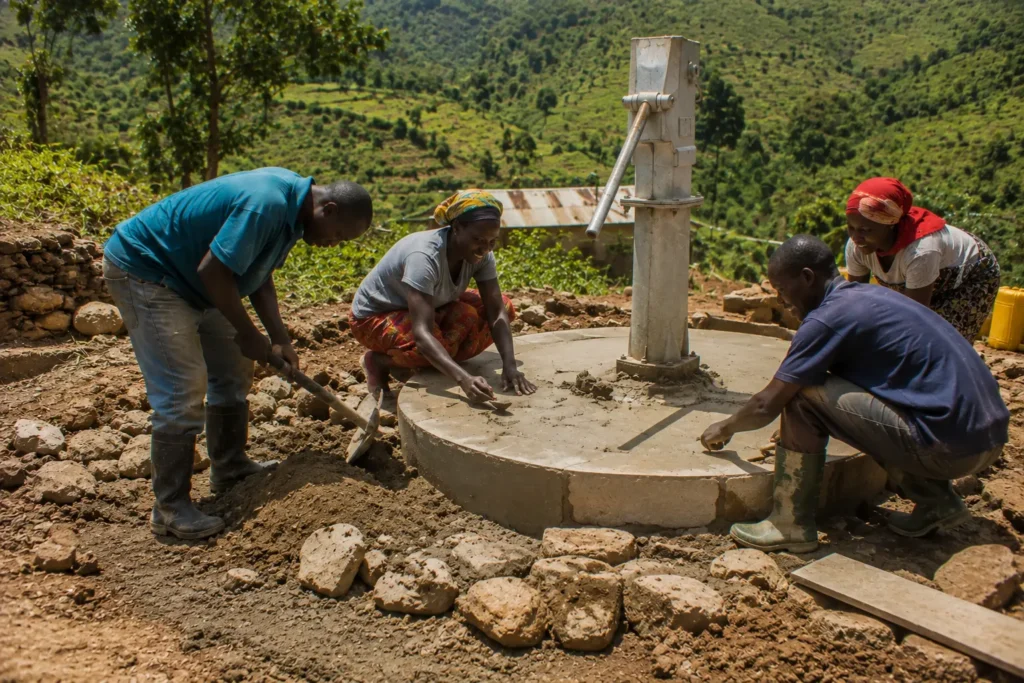
The same principle of local ownership applies to construction. When members help build water infrastructure, they take responsibility for keeping it running. In Ethiopia and Ghana, we’ve watched locally-run water systems keep running long after external projects closed.
People who helped design and build their own infrastructure stay invested in it. They know where the pipes run, which irrigation channels need seasonal clearing, and when a minor fault needs fixing before it becomes a costly one. Local knowledge like this is what keeps water supplies flowing effectively for years.
Community-built infrastructure also tends to be more practical. Locals pick materials that suit their environment and methods their teams can maintain. From there, they design the whole system around how their community uses water in real life.
A system built around real daily use just works better.
Can Community Ownership Improve Safe Drinking Water Quality?
Yes, it can. Ownership keeps local oversight active, which is what safe drinking water quality depends on. Without that local layer, water quality becomes nobody’s problem until it’s everyone’s problem.
In practice, it comes down to safely managed drinking water standards, WASH program integration, and regular monitoring:
- Meeting Water Safety Standards: To reach safe drinking water standards, communities need trained locals running routine safety checks. Trained locals are what stand between a village and a contaminated water supply. In Kenya, for example, community-trained water monitors caught bacterial contamination in a local supply before it reached families.
- WASH Program Integration: WASH programs work best when locals run them. In fact, families adopt safe water handling and hygiene habits more readily when the people teaching them are their own neighbours.
- Regular Water Source Monitoring: From there, it’s about staying on top of contamination daily. Locals who check water sources regularly spot risks early, long before they become a health problem for the residents.
You can build the most sophisticated water system in the world. However, without a community behind it, it’s just expensive plumbing waiting to break.
Universal Access: Who’s Still Being Left Behind?
What’s even worse, the further a community sits from a city centre, the less likely it is to have safe drinking water. It’s about time we answer these questions once and for all: who are they, and how community-led models reach them.
Who Gets Left Out of Centralised Water Programs
For decades, national water programs have left children, women, and minority ethnic groups in rural areas without basic water access.
To date, in many countries, women walk hours each day just to collect water for their families (sometimes, four hours a day). Every hour spent collecting water is an hour away from their children, health, and their family’s daily needs.
According to UNICEF, hundreds of millions still can’t reach safe water through their basic water access programs.
How Communities Identify and Reach Those Left Behind
Community-led models put local leaders in charge of identifying who’s missing out. Those leaders know their residents personally (years of living there give them that). They know which families struggle with surface water, where basic services fall short, and who keeps getting left out of national plans.
Once these communities gain access, waterborne illness drops, school attendance rises, and women reclaim hours they used to spend walking to collect water.
Water Security That Outlasts the Project
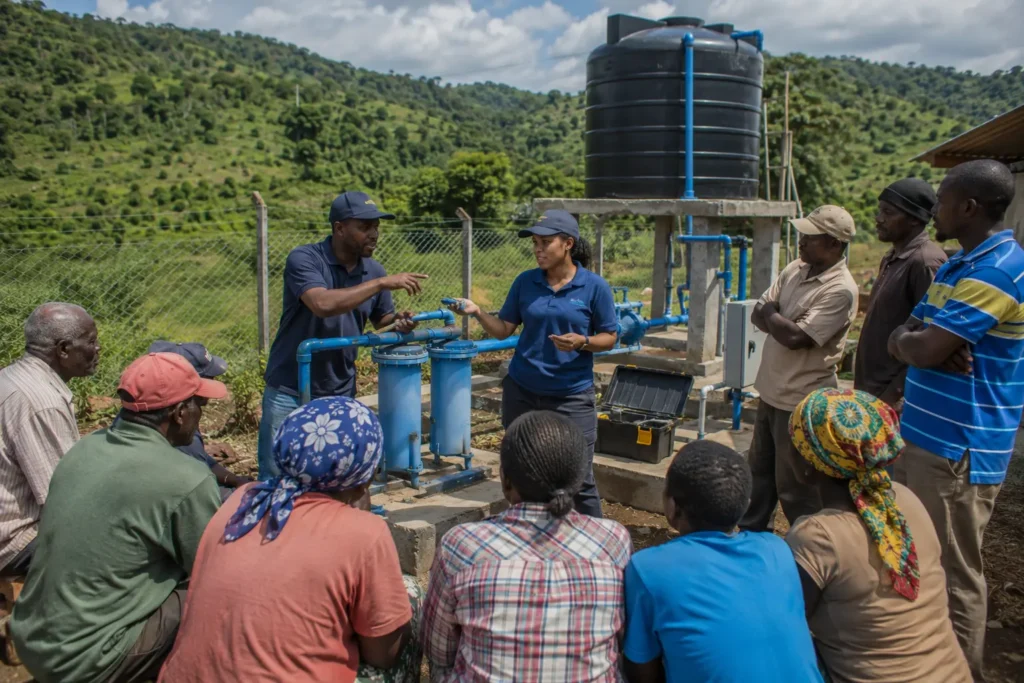
A water project that ends when the funding does hasn’t really solved anything. Real water security comes from systems that work even after the third-party team leaves. But for that to happen, communities must own and manage their own water supply, with trained locals and a solid maintenance plan already in place.
Climate change is already hitting water supplies hard. For instance, rivers run lower, rainfall gets unpredictable, and locals feel the strain before anyone else does.
In such scenarios, locally owned systems respond better because the people running them live with those changes daily. Solar-powered, energy-efficient infrastructure also means they don’t need to wait on outside teams to keep things running.
Only community ownership can get you long-term water security. Sustainable water security and progress toward sustainable development goals both need systems that outlast individual projects.
Be Part of the Change in Global Water Access
A pump without people behind it is just metal in the ground. We’ve sat with communities in Ghana and Peru who understood that better than anyone. Every single one of them wanted a say in how it was built, who ran it, and how long it would last.
At Easy510, we’ve spent nearly 25 years supporting community-led water projects across Africa, Asia, and Latin America. The benefits go beyond clean water: families get healthier, children stay in school, and women reclaim hours of their day.
If you want to be part of that progress, contact us today. Together, we can support residents building sustainable water access for the future. Every person who gets involved brings more communities closer to safe, lasting water access.