
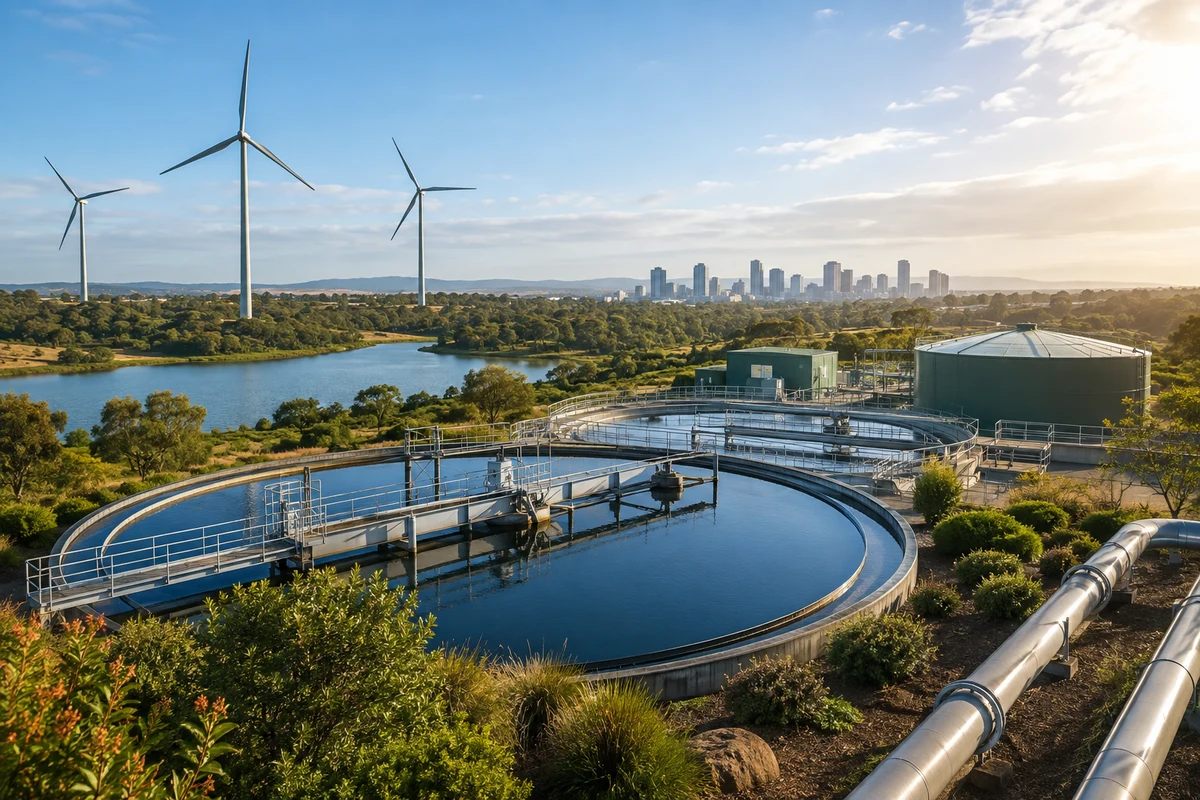
Water access is becoming harder to predict, and the consequences are playing out in communities that can least afford it.
Droughts are lasting longer than seasonal forecasts suggest, and floods are washing away water infrastructure that took years to build. Communities across Australia and beyond can no longer treat climate-resilient water systems as a future project.
Easy510 has spent nearly 25 years responding to that need. We’ve supported sustainable water management programmes and water access projects across Asia, Africa, and Latin America. Those communities taught us as much as we brought to them.
In this guide, we’ll cover how climate change disrupts the water cycle and what population growth means for water infrastructure. We’ll also show you how communities are putting real climate adaptation into practice right now.
How Climate Change Disrupts the Water Cycle
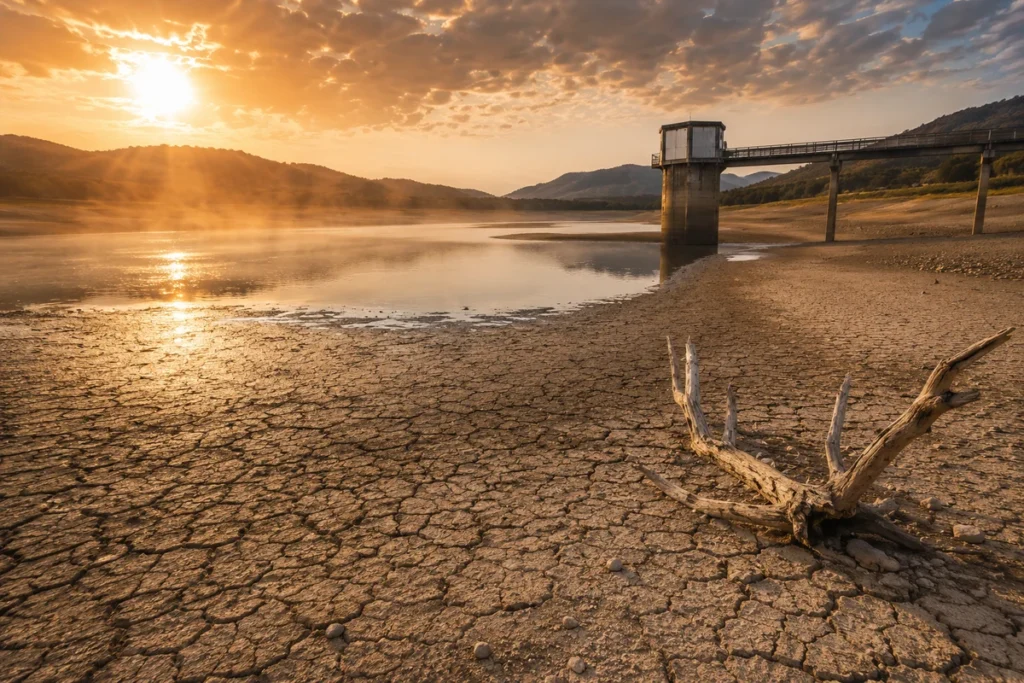
Climate change is pushing Australia’s rainfall patterns well outside the ranges communities and water planners have built their systems around. The Water in Australia resource documents exactly how those changes are hitting river systems, groundwater reserves, and storage capacity across the country.
Australia’s long record with drought and flooding is also why Australia’s water scarcity lessons now inform water planning well beyond its own borders. Three disruptions capture where the pressure on the water cycle is sharpest:
- Shifting Rainfall and Drought Cycles: Seasonal rainfall is arriving less reliably and in smaller volumes across many regions. Surface water systems that communities have depended on for generations now run well below seasonal averages. Most have no design capacity for back-to-back dry years. Without a backup water source already in place, communities have no fallback when the rains fail.
- Rising Temperatures and Evaporation: Higher temperatures pull more water out of rivers, lakes, and reservoirs through evaporation. People then draw on groundwater supplies faster than those supplies can naturally recharge, and that deficit grows with every consecutive dry period. When reserves run short, the last reliable buffer disappears at exactly the moment water demand is highest.
- Disrupted Water Storage: Rainfall increasingly arrives in intense bursts that overwhelm storage systems before water managers can direct the flow. That gap means communities enter dry periods with less stored water than their systems need to function reliably. Climate change also reduces the natural environment’s ability to hold and filter water before it reaches storage systems. Reserves arrive consistently lower than communities planned for.
None of these disruptions operates on its own, and the effects compound quickly. Shrinking rainfall reduces what storage systems receive, and rising evaporation draws down whatever groundwater reserves remain.
Population growth is then piling additional demand onto systems already running short, and that is where the next section picks up.
What Population Growth Means for Water Infrastructure
Engineers never built most of Australia’s water infrastructure to serve populations this size. Water systems across the developing world face the same problem.
Globally, water demand has outpaced population growth, and urban infrastructure in developing regions has struggled most to keep up. When demand consistently runs ahead of supply, the pressure lands hardest on communities with the least capacity to respond.
These three areas show where the strain is greatest:
- Ageing Systems Under Growing Demand: Water treatment plants, pipes, and dams across Australia and the developing world are operating well beyond their intended capacity. Populations have outgrown the systems built to serve them, and the people carrying that shortfall are almost always those with the fewest alternatives.
- Gaps in Wastewater and Sanitation: More people means more wastewater, and communities without adequate treatment infrastructure face serious water quality risks. When wastewater enters rivers or groundwater supplies without proper treatment, waterborne illness rates climb, and fewer safe water sources remain available.
- Funding and Development Shortfalls: Water infrastructure upgrades require sustained government investment, yet that investment has not kept pace with population growth across many regions. The Australian Government’s National Water Grid Fund directs investment toward new dams, water treatment plants, and recycling projects built to strengthen long-term water security all-over the country.
Dry taps in summer and delayed pipe replacements are what underfunded water management looks like in practice.
Sustainable Water Management as a Climate Adaptation Tool
Sustainable water management gives communities practical tools for climate adaptation before a crisis forces the issue.
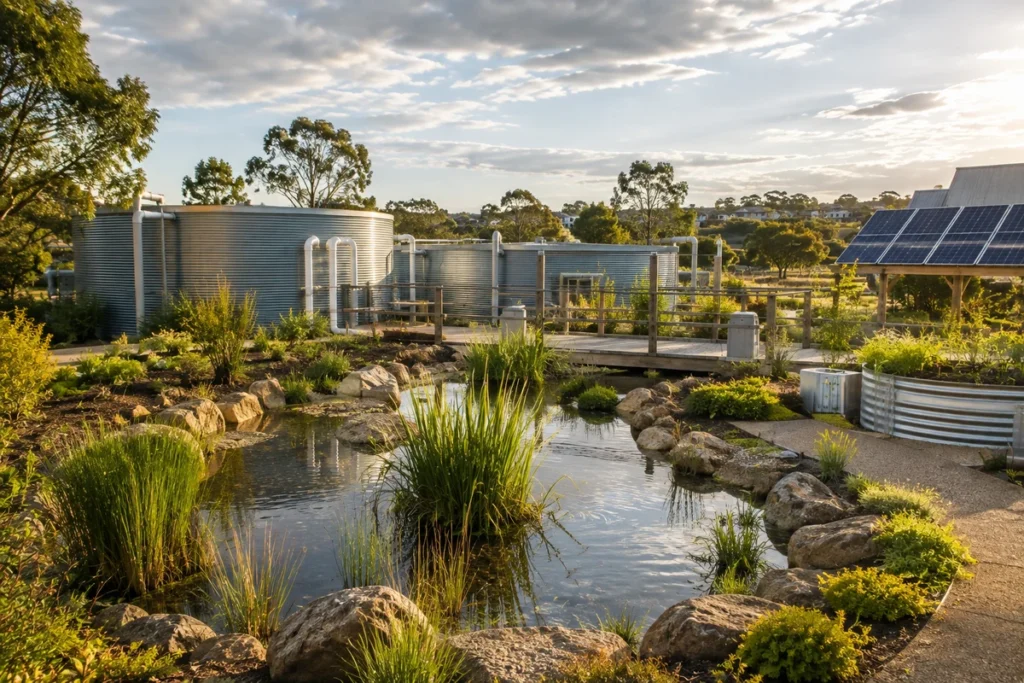
Australia’s approach draws on years of research and field data, which guides how new water projects get prioritised. We’ve seen what those tools achieve on the ground, in Ghana and Peru; a well-maintained rainwater harvesting setup cut one family’s daily water collection time by more than three hours.
Simply put, rainwater harvesting and groundwater recharge give local communities a water source that drought cycles and surface water shortages cannot touch. When communities combine both, they build adaptive capacity that holds up across dry seasons and a changing climate. Local water access projects show exactly what that looks like in practice.
What’s more, water reuse schemes and desalination plants open up supply that rainfall variability cannot affect. The Bureau of Meteorology tracks these sources through its Climate Resilient Water Sources Dataset, which covers recycled water infrastructure and desalination capacity across every Australian state. South Australia’s Adelaide Desalination Plant supplies up to 100 billion litres of drought-resilient water to local communities every year.
That said, technology and infrastructure only go so far. Demand management gives communities direct control over how much water they use and reduces pressure on systems that are already stretched. Local agencies and industry partners use real-time data to track water use across irrigation, households, and manufacturing. When they stay engaged with local communities throughout planning, water conservation programmes actually stick.
Building Climate-Resilient Water Through Stakeholder Engagement and Land Use
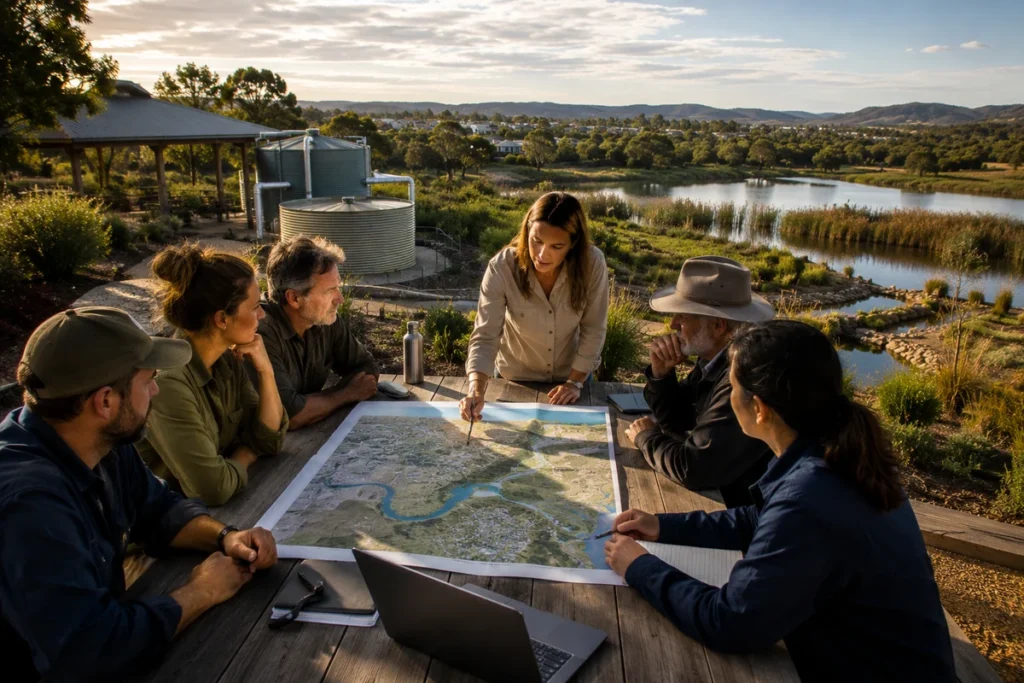
Nearly three decades of fieldwork have shown us one consistent pattern. Communities that shaped their own water system planning are the ones still running those systems well a decade on. The ones that didn’t? They often ended up with infrastructure that sits unused or mismatched to local needs.
That gap is precisely what stakeholder engagement exists to close. When different actors across different levels of government, industry, and community life commit to shared water security goals, projects produce better outcomes. The Australian National Water Grid shows what that coordination looks like at a national level.
Good governance only goes so far, though. Land-use decisions carry just as much weight for water availability. When communities clear land without protecting catchment health, the natural environment loses capacity to retain rainfall and recharge groundwater supplies.
Believe it or not, sophisticated water infrastructure has failed communities simply because nobody asked what they needed. And traditional owners carry exactly that kind of knowledge, and formal planning processes have long failed to draw on it. Water projects that incorporate indigenous knowledge alongside technical data deliver better outcomes and build adaptive capacity that infrastructure spending alone cannot produce.
The Australian Water Agencies network spans federal, state, and local tiers of government, and each tier carries a distinct role in water policy, planning, and project delivery across the country.
Real economic growth in water-stressed regions depends on communities holding a genuine voice in water management decisions. When that happens, water quality improves, rivers recover, and the environment rebuilds capacity to support water access for generations ahead. That is the difference between water infrastructure that lasts and that which fails.
Water Quality and Sustainable Water Management: Where to Go From Here
Right now, millions of people across Asia, Africa, Latin America, and Australia depend on sustainable water management to keep water quality and supply reliable. Drought, ageing infrastructure, and shrinking water resources make that harder every year.
Proven approaches like rainwater harvesting, groundwater recharge, water reuse, and demand management already exist. What they need is funding, community input, and governments that follow through
Easy510 has spent nearly 25 years doing exactly that kind of work across three continents. Local communities sit at the centre of every project we run. The difference sustainable water practices make is clearest in the communities that finally get access to a supply they can count on every day.
If your organisation cares about water security, climate adaptation, or community development, there is a real role to play. Reach out and let us know how you want to support clean water access.